
The Race to Accelerate Plant Breeding Innovation
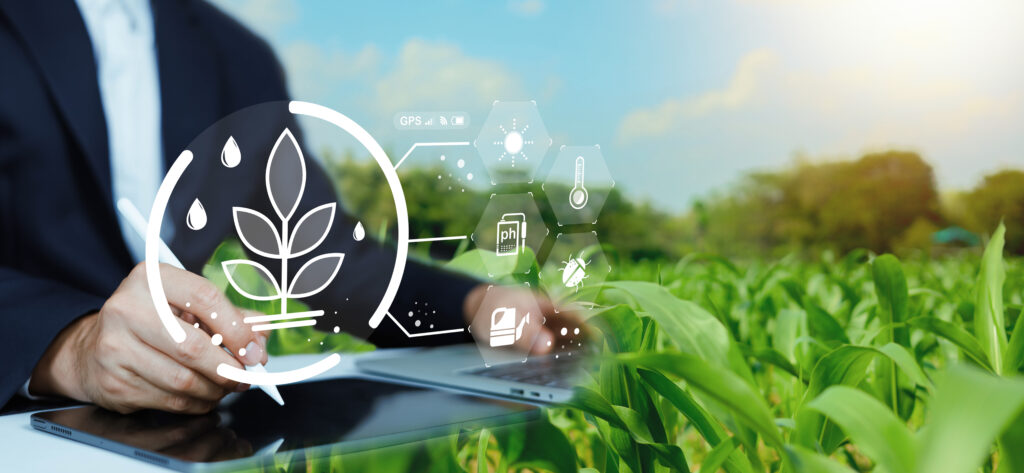
Plant breeding is entering a new era. Bayer’s Julia Honold explains how AI, predictive breeding, digital twins and gene editing are helping researchers accelerate crop improvement, increase efficiency and develop more resilient crops for the future.
European Project Targets Crop Pest Threats with New Decision-Making Platform
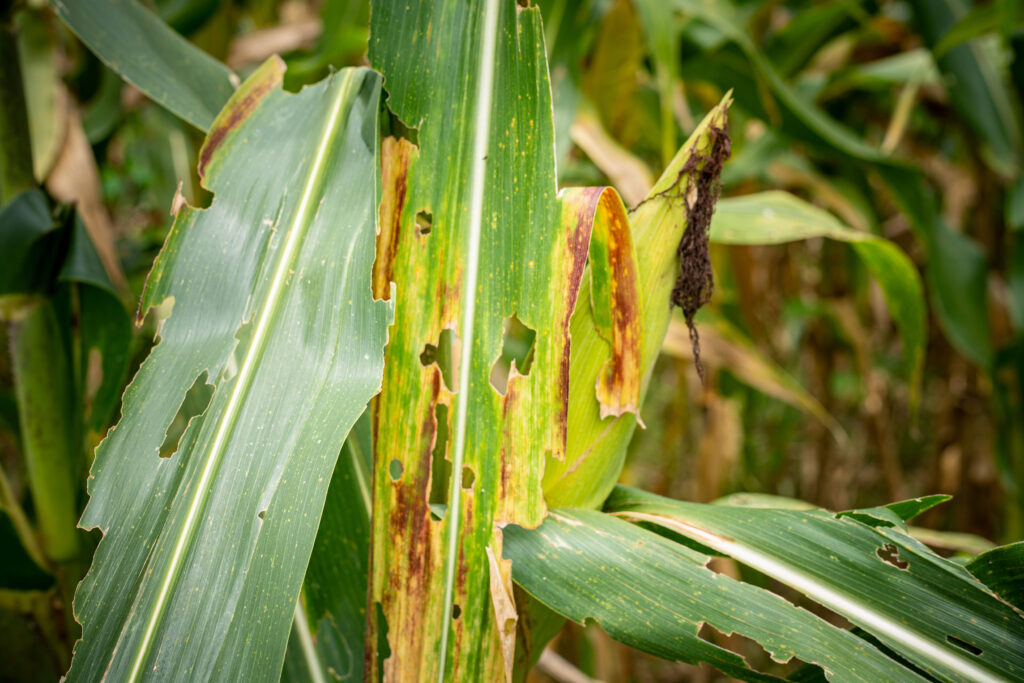
PhytoPRISM, a €6 million EU Horizon project led by the University of Warwick, will develop a platform to help Europe coordinate responses to agricultural and forest pest invasions. The project brings together 15 institutions and stakeholders from eight countries.
Why The Best Solutions Aren’t Built for Everywhere
A conversation about local plant breeding, the unlikely rise of CDC Meadow, and the wisdom of honeybees all point to the same lesson: adaptation beats standardization. One of the assumptions […]
The Next Breeding Breakthrough Could Come From a Variety Nobody Uses Anymore

Stefan Schmitz, Executive Director of the Crop Trust, makes the case that gene banks and crop genetic diversity — including wild relatives and forgotten varieties — are a foundational resource for the next generation of plant breeding innovation.
Breed Local, Grow Better | On The Brink: Season 2 – Episode 5
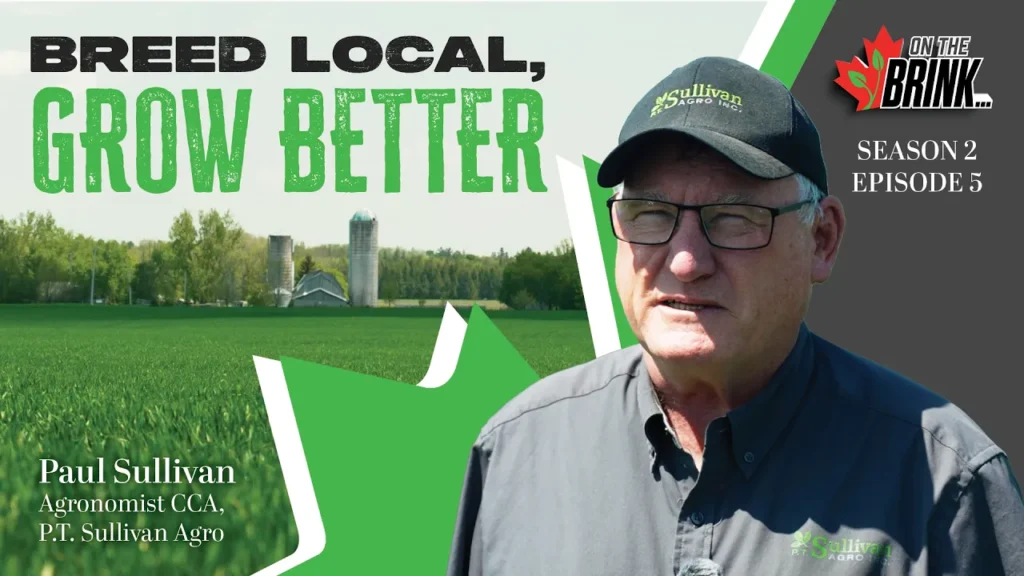
As plant breeding consolidates into fewer programs and locations, veteran Ontario agronomist Paul Sullivan makes the case that locally adapted genetics need breeders who stay close to the farms they serve.
Crop Microbiome Study Shows Plants Select Microbes
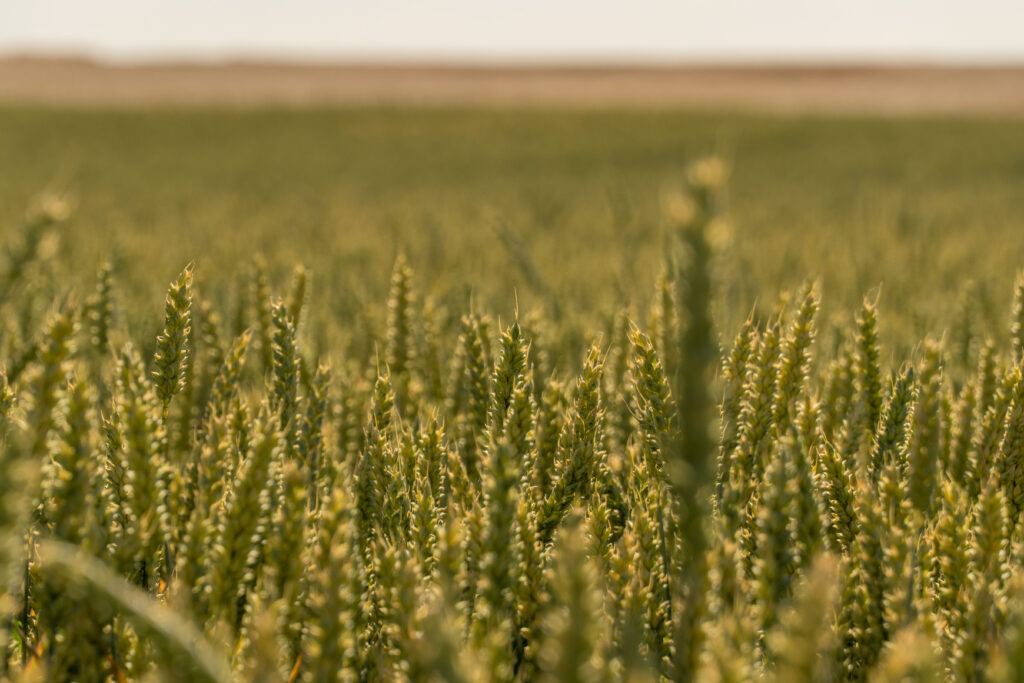
A new crop microbiome study shows that crop species, rather than soil type, primarily determines the beneficial functions provided by root-associated microbes. Researchers say the findings could support microbial inoculants and microbiome-assisted breeding for sustainable agriculture.
Euroseeds Raises EUDR Concerns for Soybean Seeds
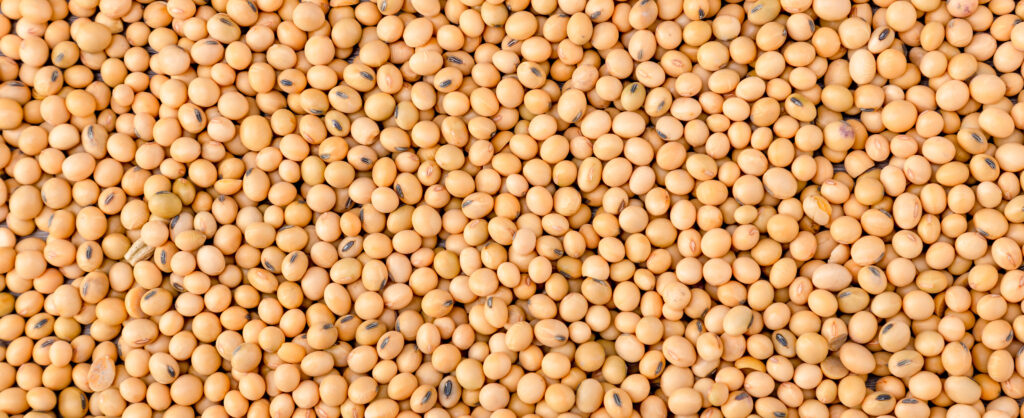
Euroseeds is calling on the European Commission to exempt certified soybean seeds for sowing from the EU Deforestation Regulation. The organization says their inclusion would burden the seed sector without advancing the Regulation’s environmental objectives.
Agri-Food Sector Seeks Strategic Role in EU Fund
The agri-food sector is urging EU policymakers to recognise agriculture, aquaculture and food systems as strategic areas within the future European Competitiveness Fund and Horizon Europe. Signatories say dedicated research and innovation funding is essential for resilience, sustainability and competitiveness.
Why Seed Matters More Than Ever

From crop production and sustainability to innovation and global food security, nearly every agricultural advancement begins with seed. In this month’s editor’s note, Aimee Nielson reflects on why seed remains agriculture’s most important starting point.
Organic Farming Could Help Crops Resist Drought
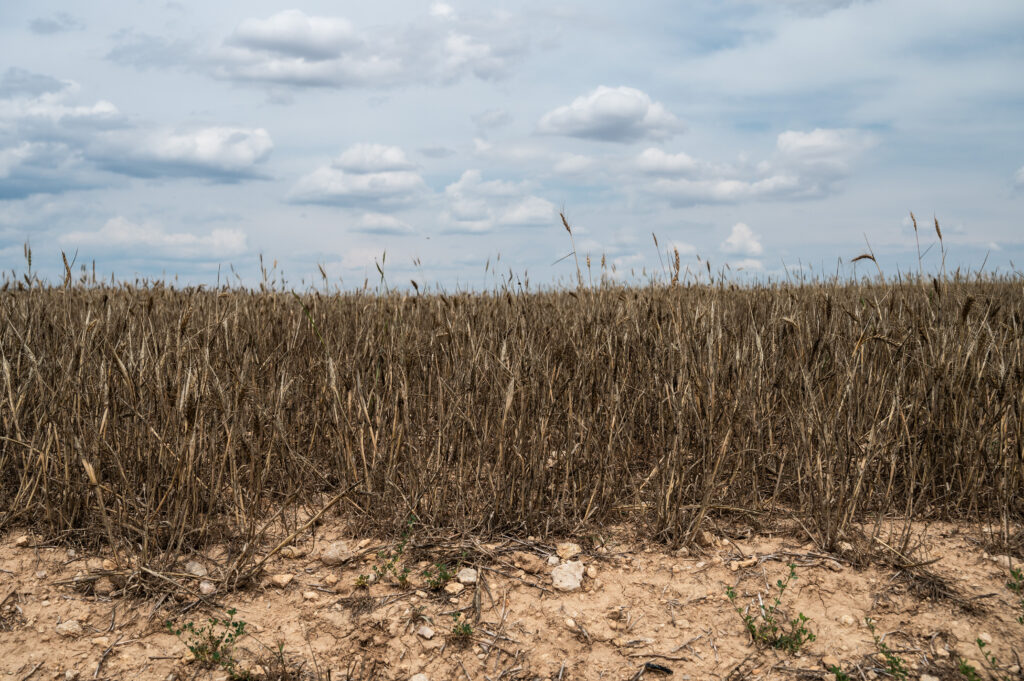
Organic farming may help crops resist drought by enriching beneficial soil bacteria linked to plant resilience.
The French Corn Seed Industry: A Model of Excellence Based on Innovation
The French corn seed industry has built a global reputation through variety innovation, specialized seed production, strict quality control and strong collective organization. Its integrated model helps deliver reliable, high-performing seed for farmers facing climate and productivity challenges.
The Future of Seed Innovation Starts Before the Seed Exists
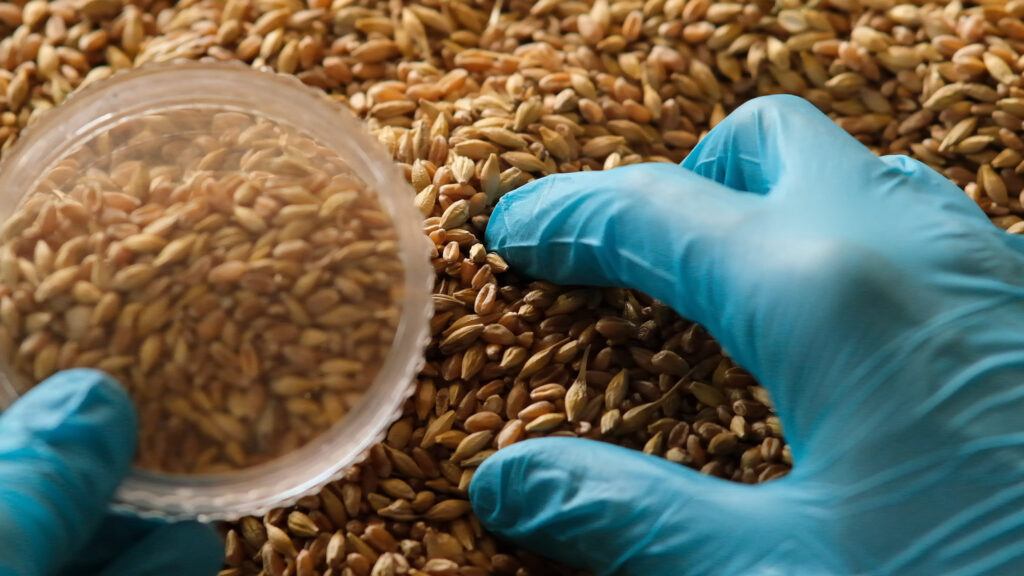
The Baker Center at Iowa State University supports seed industry innovation by advancing plant breeding, genetics, AI-enabled tools, and workforce training. Its work helps seed companies accelerate stronger, more resilient products from research to commercialization.
Democratizing Gene Editing: Pairwise’s Blueprint for the Future of Agriculture

Pairwise gene editing could expand access to advanced breeding tools and accelerate crop improvement across agriculture.
Back to the Future and the Power of Seed

ASTA Chair Bryan Gerard brings family legacy, entrepreneurial energy and a steady belief in innovation to his year leading the seed industry.
Heritage Driving What Comes Next For Hybrid Rye
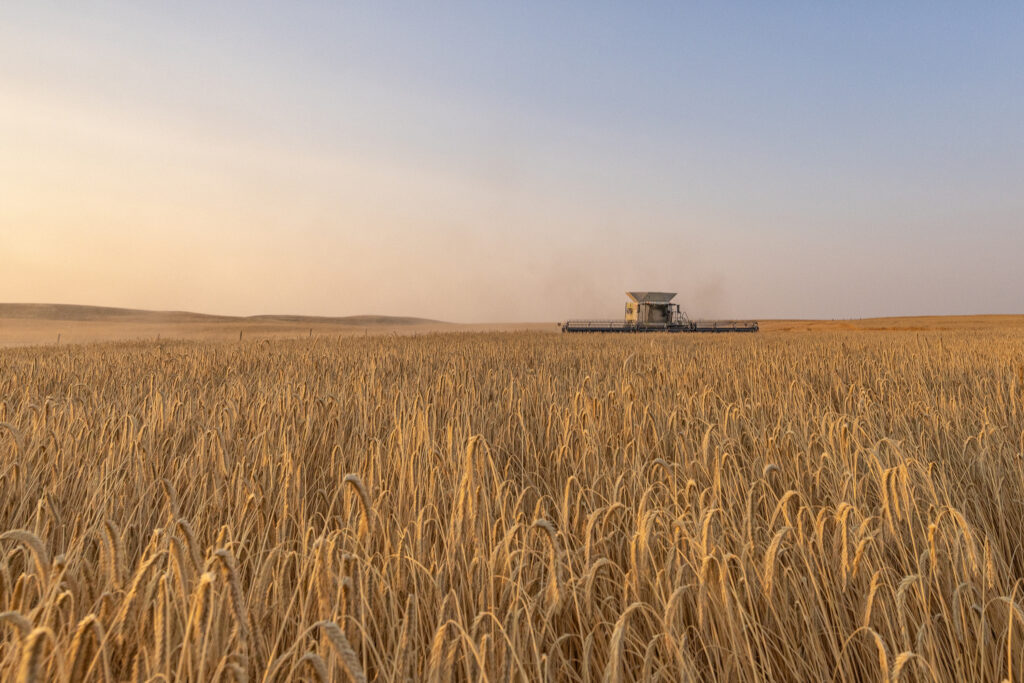
For 170 years, KWS has focused on plant breeding. Today, that long-term approach is helping North American growers adopt hybrid rye and other resilient crops that improve productivity, diversification and sustainability.
CDC Meadow Nearly Got Thrown Out. Instead, It Became Canada’s 2026 Seed of the Year
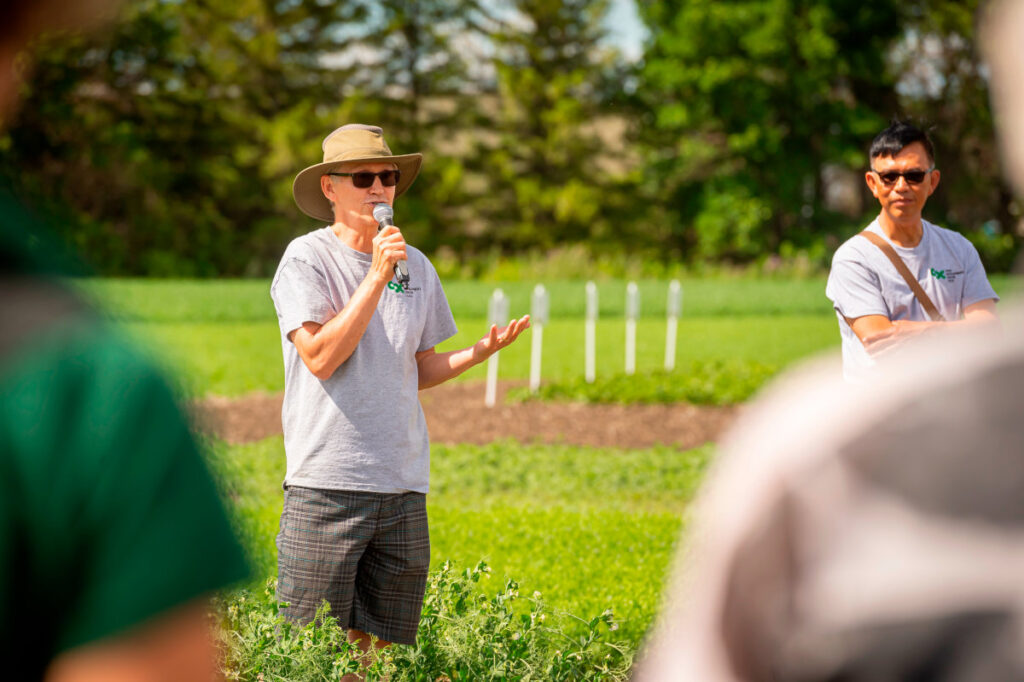
A single breeding decision kept CDC Meadow alive long enough to become one of Canada’s most successful yellow pea varieties
Data Abundance Is Reshaping Plant Breeding

Enid Perez-Lara explains how data abundance is changing plant breeding, from integration challenges to better decision-making.
Why the Seed Sector Is Raising the Bar on Social Rights

In an interview with Ben Rivoire of the International Seed Federation, Seed World explores whether labor rights and ethical practices could become a major accountability issue for companies across the global seed value chain.
How CDC Meadow Became One of Canada’s Most Successful Yellow Pea Varieties
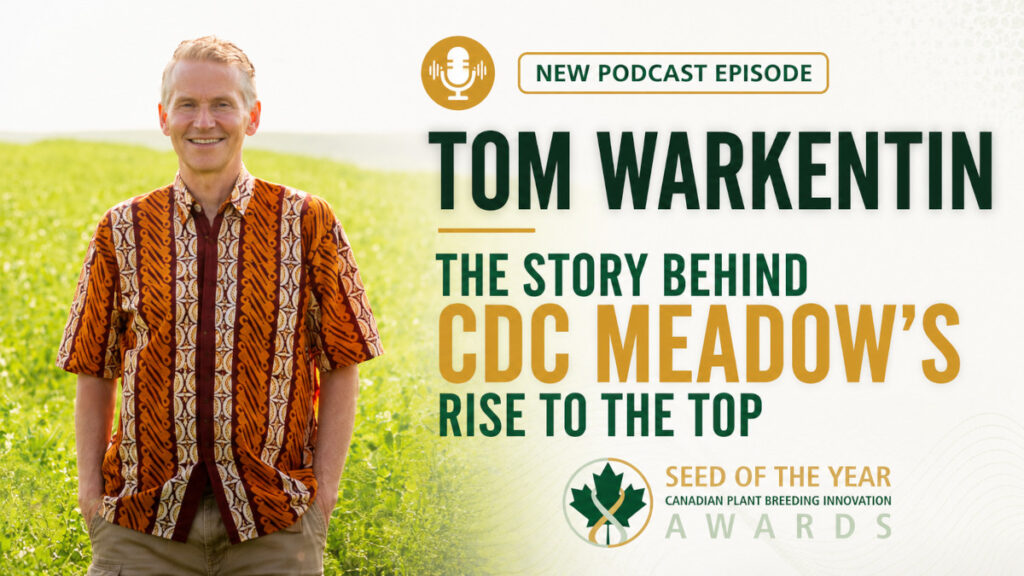
A single-star evaluation helped save a breeding line that would go on to become 2026 Seed of the Year
The Cultural Divide Between LATAM and the West
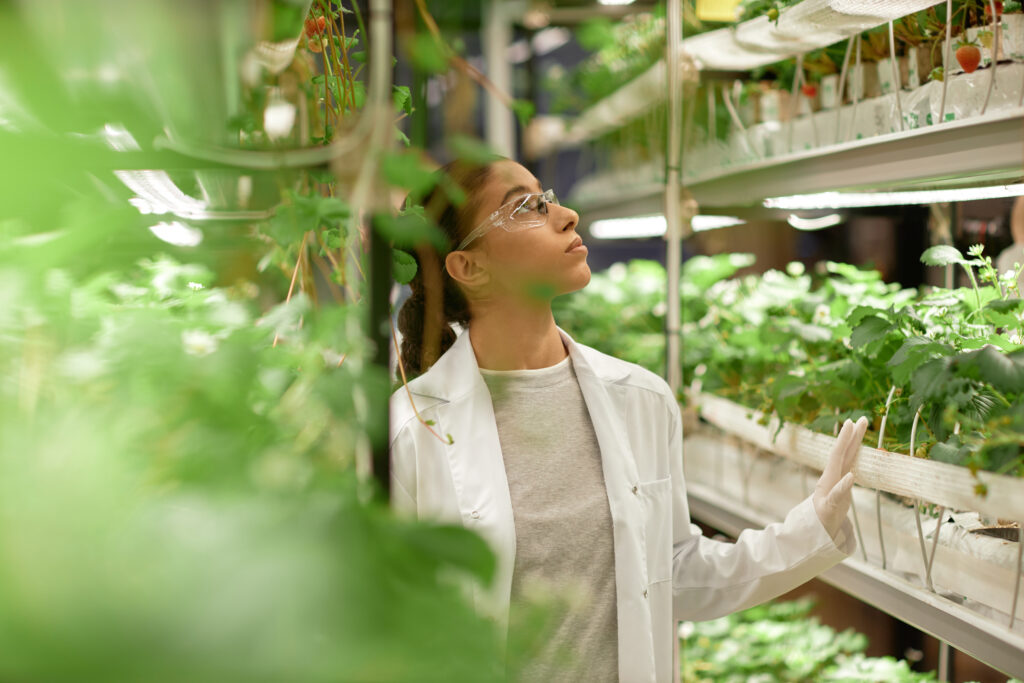
After speaking with University of Florida students, one plant researcher reflects on cultural differences in academic career paths, ambition and professional planning.
Australia’s Seed Market Rewards Those Who Play the Long Game
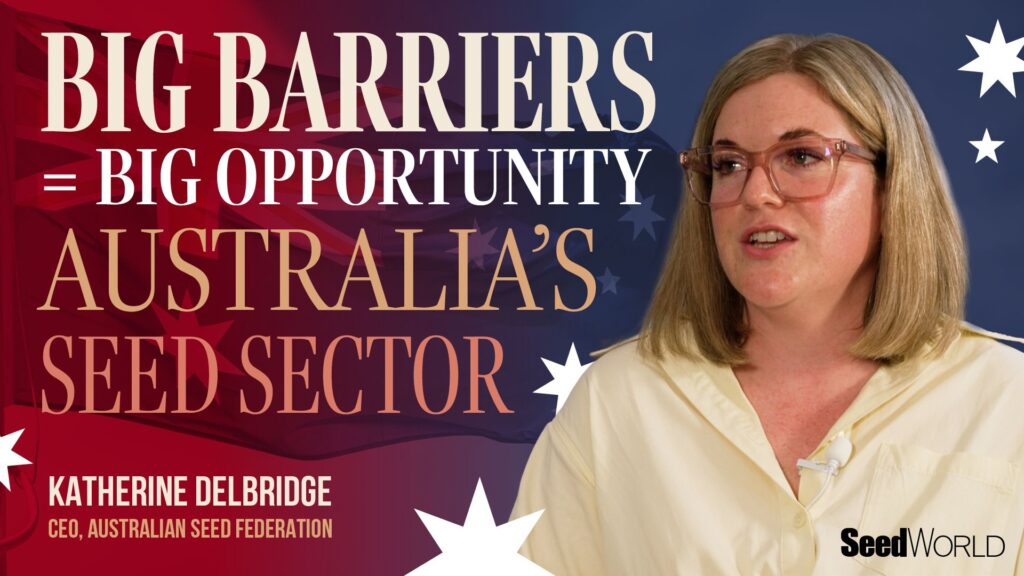
Australia’s seed market is difficult to access, but Australian Seed Federation CEO Katherine Delbridge says those barriers help build trust and opportunity.
Speed Wins in Seed: Honoring Mike Peterson for a Lifetime of Impact
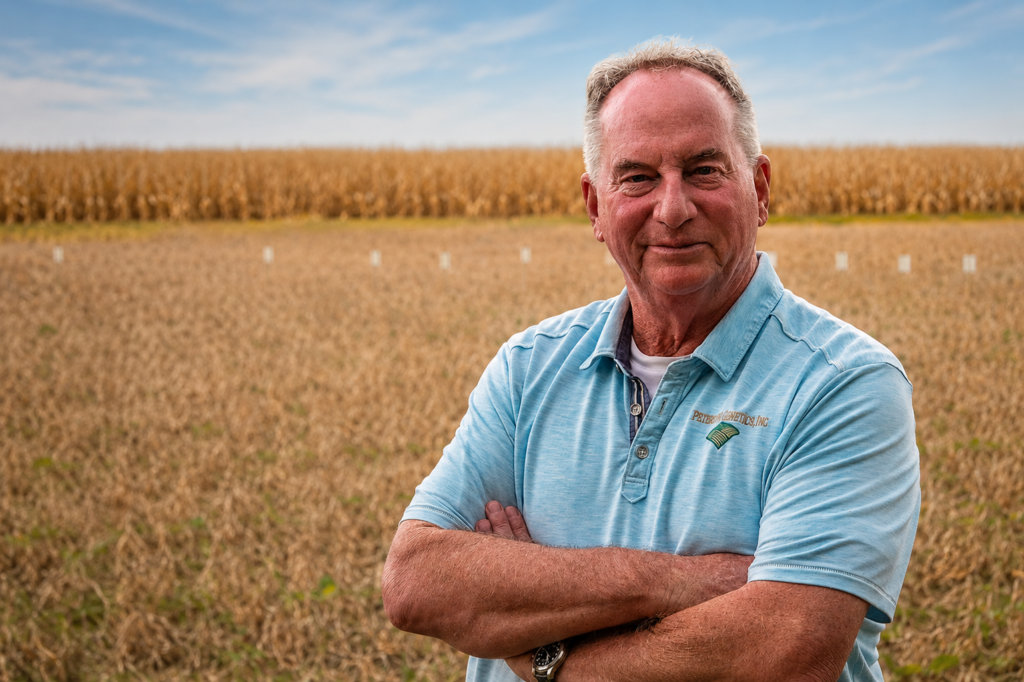
Independent seed companies face constant pressure to introduce new genetics and respond to changing technology. Mike Peterson explains why speed, confidence in data and strong partnerships have been critical to success throughout his career.
New Seed Development Map Could Improve Crop Yield
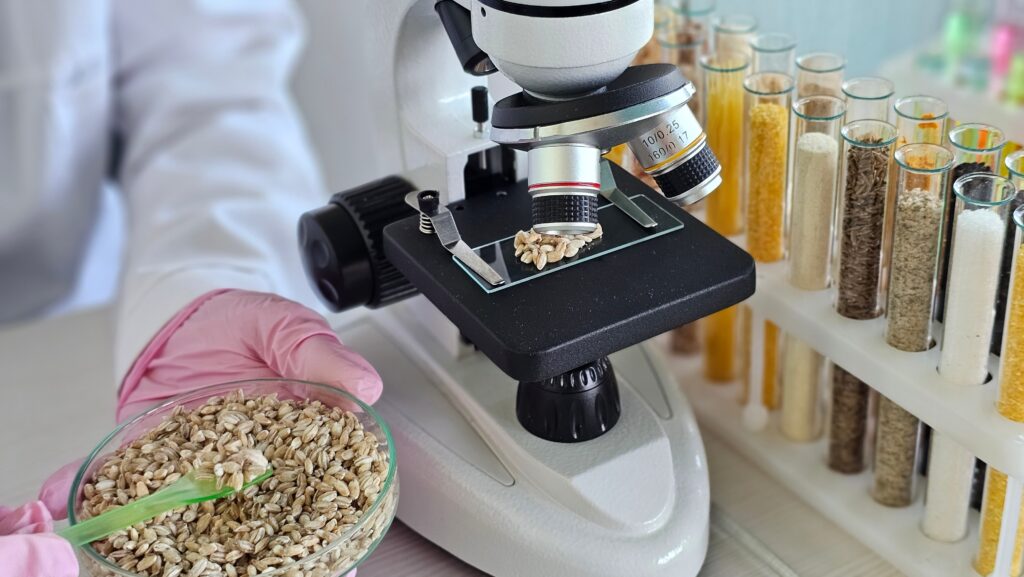
A new seed development map from Whitehead Institute could help researchers study crop yield, nutrient storage and resilience.
Why Some Fields Win — And Others Don’t (Even When Everything Looks the Same)
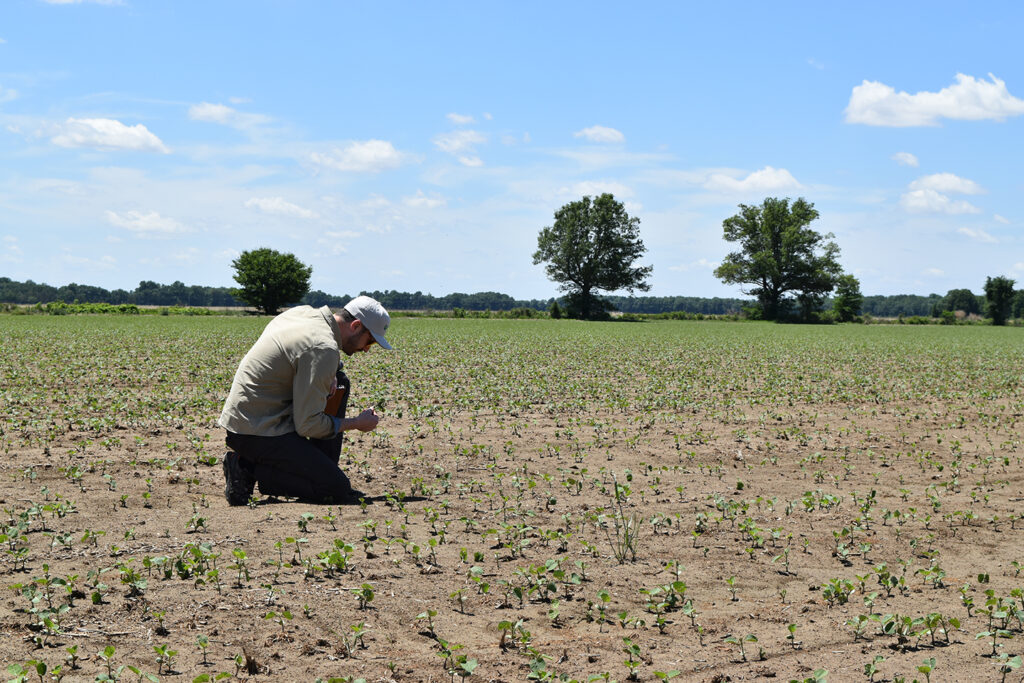
Two fields can look the same but perform differently. Explore how below-ground biological interactions influence crop consistency, nutrient use, stress response and field performance.
New Pipeline Targets Fungicide Discovery in Wheat
A Rothamsted Research pipeline aims to speed fungicide discovery for Septoria tritici blotch by screening microbial compounds.
What do Seed Companies Really Want from AI?
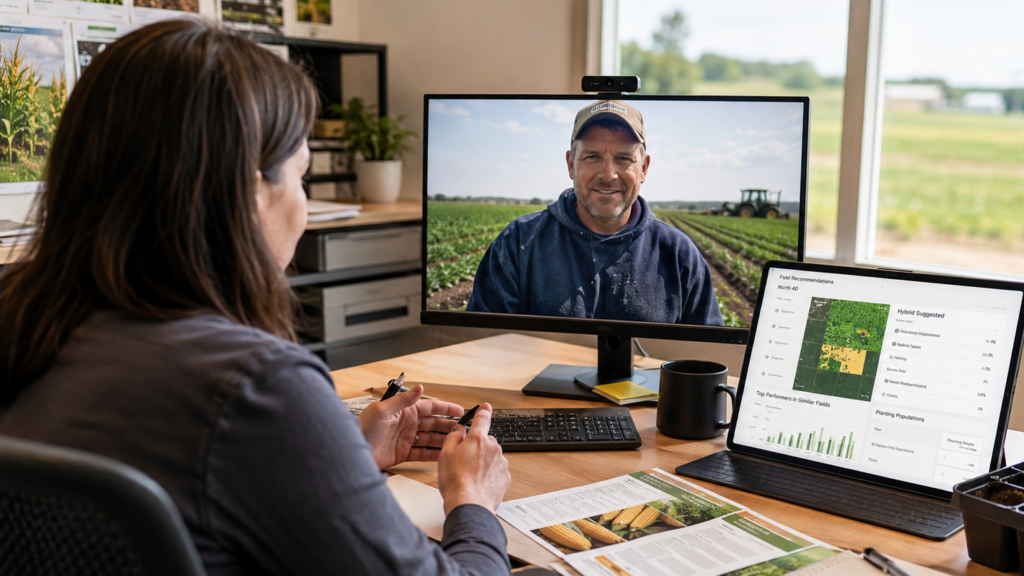
AI can sharpen insights and speed decisions, but trust, relationships and personal service still drive the seed industry forward.
Made For This Land | On The Brink: Season 2 – Episode 4

Manitoba seed grower Jake Ayre of Southern Seed Ltd. argues Canadian plant breeding investment returns 34 to 1 — and that cutting it would erode farm profitability as input costs climb.
How Soil Fungi Could Help Crops Need Less Fertilizer
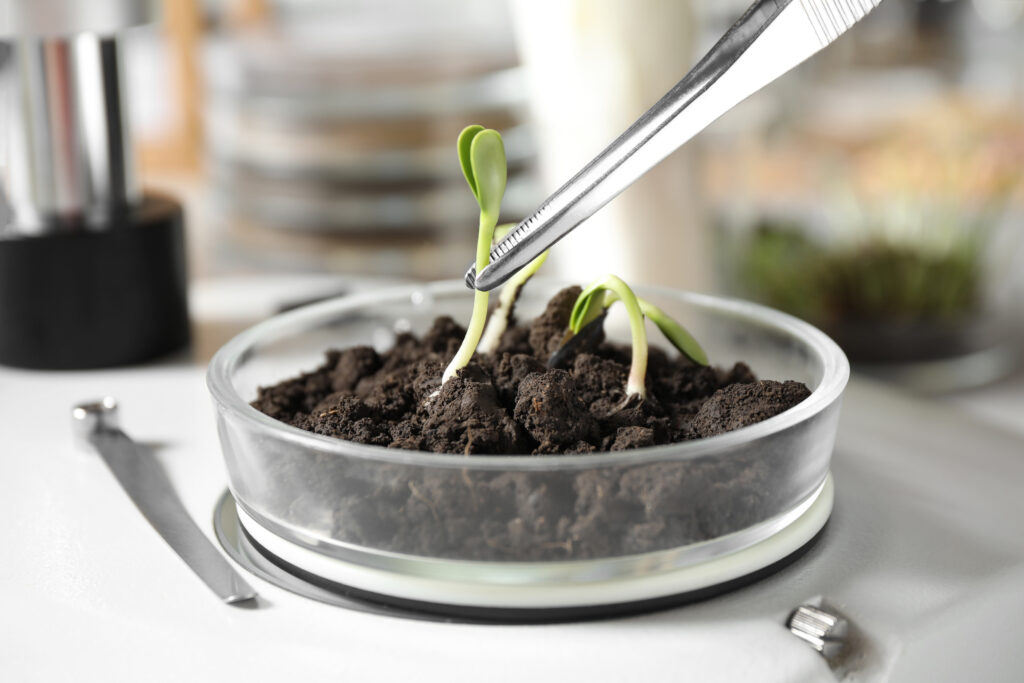
Soil fungi could help crops improve nutrient uptake and reduce fertilizer needs by maintaining beneficial root partnerships.
What Honeybees Can Teach Us About Leadership, Adaptability, and Working Together
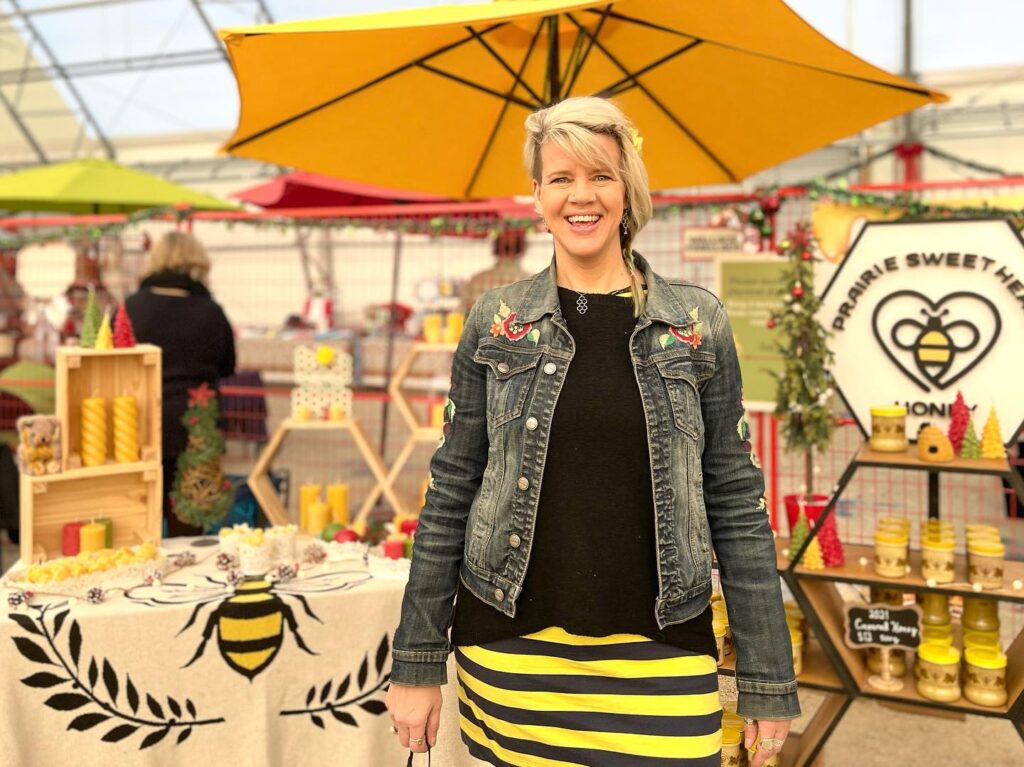
Prairie Sweetheart Honey founder Rebecca Krowelski says honeybee colonies have mastered skills many organizations still struggle with, from collaborative decision-making and adaptability to putting purpose ahead of ego. Most people […]
European Agri-Food Coalition Backs NGT Compromise
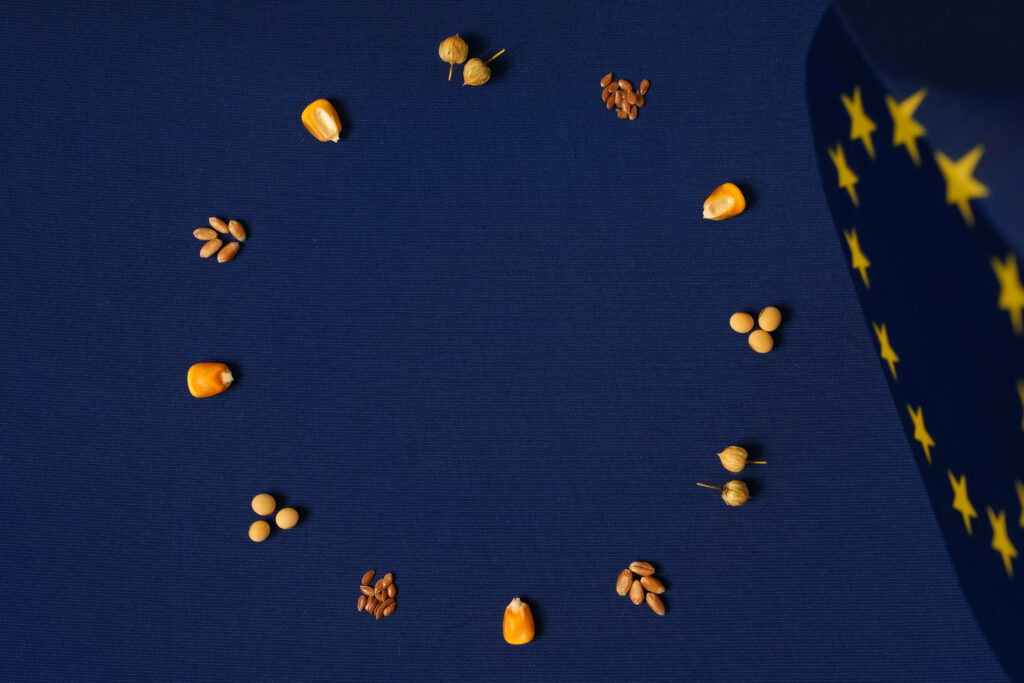
A Push for Practical NGT Rules A coalition of 34 European agri-food value chain organisations is calling on Members of the European Parliament to support the adoption of the trilogue […]
Honoring Tim Gutormson for a Lifetime of Impact: Why Seed Quality Still Matters

After nearly five decades in seed testing, Tim Gutormson has seen the seed industry evolve dramatically. From advances in seed quality testing to the ongoing need for education and gentle seed handling, the SoDak Labs CEO reflects on the lessons learned during a career that helped shape modern seed quality standards.
GridScore NEXT Speeds Up Plant Breeding Research

GridScore NEXT helps crop researchers collect cleaner field data, reduce phenotyping errors and accelerate plant breeding.
Executive Leadership Strategy: How to Attract, Develop and Retain High-Performance Leaders
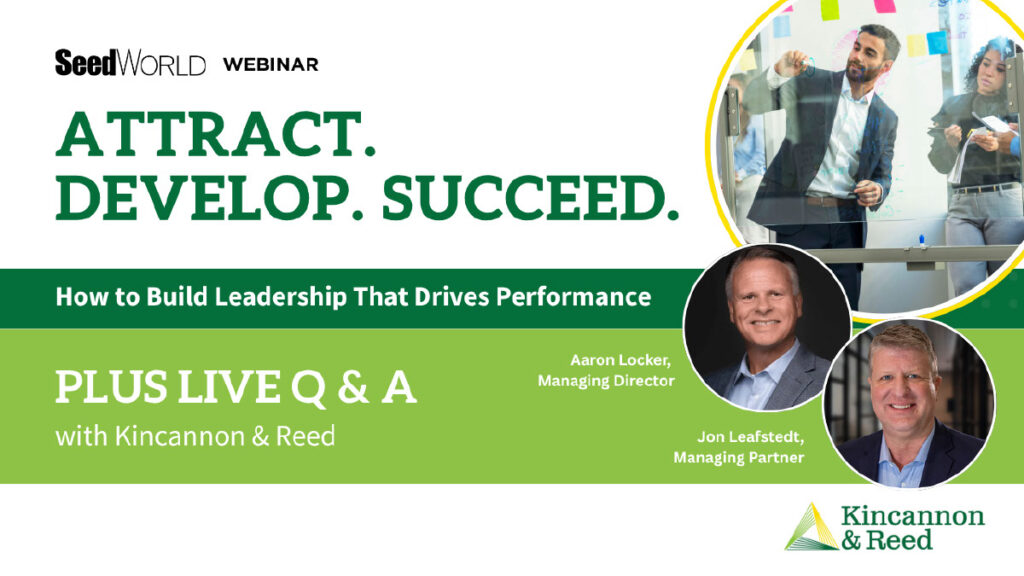
Leadership remains one of the biggest drivers of business success. Learn how organizations can attract, develop and retain high-performance leaders through strategic hiring, succession planning and leadership development.
Ukraine’s New GM Traceability Law Takes Shape
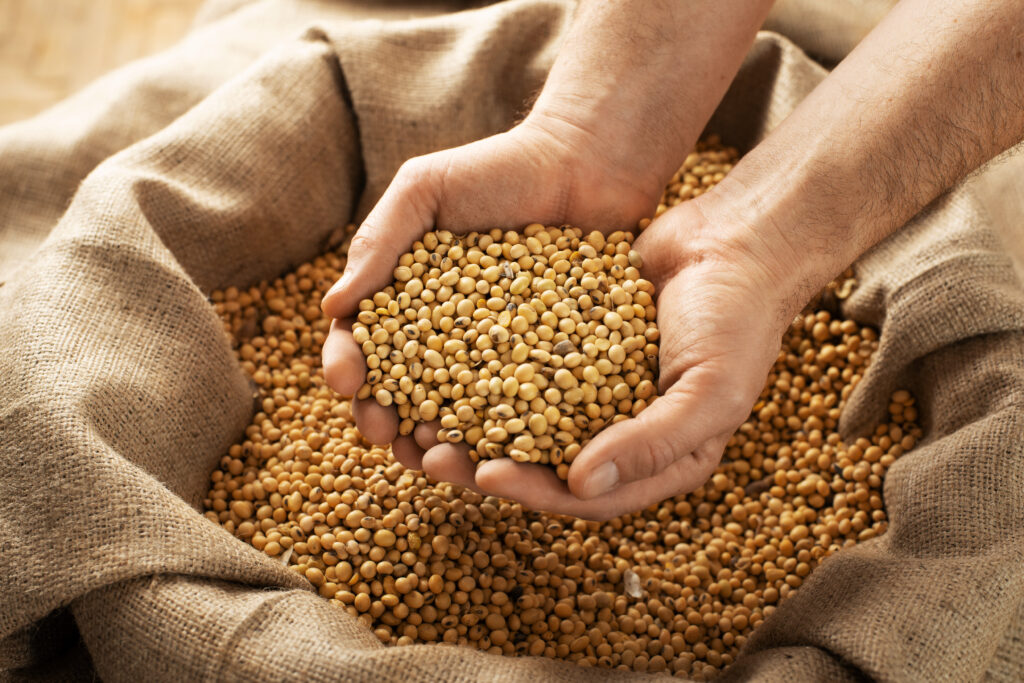
Ukraine’s GM traceability law will align seed, crop and product rules with EU standards ahead of its August 2026 rollout.
ISTA 2026: Seed Testing’s Biggest Annual Event is Heading to Calgary
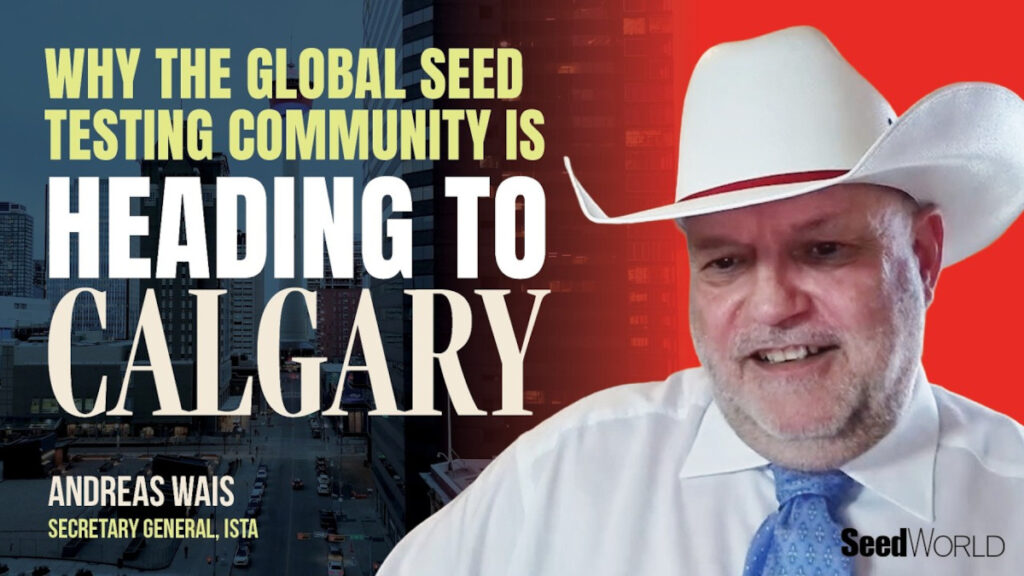
From June 22–25, ISTA 2026 will bring together seed testing professionals, technical experts, regulators, and industry leaders from around the world to discuss the issues shaping global seed movement, market […]
We’re Not Taking Food Off The Plate
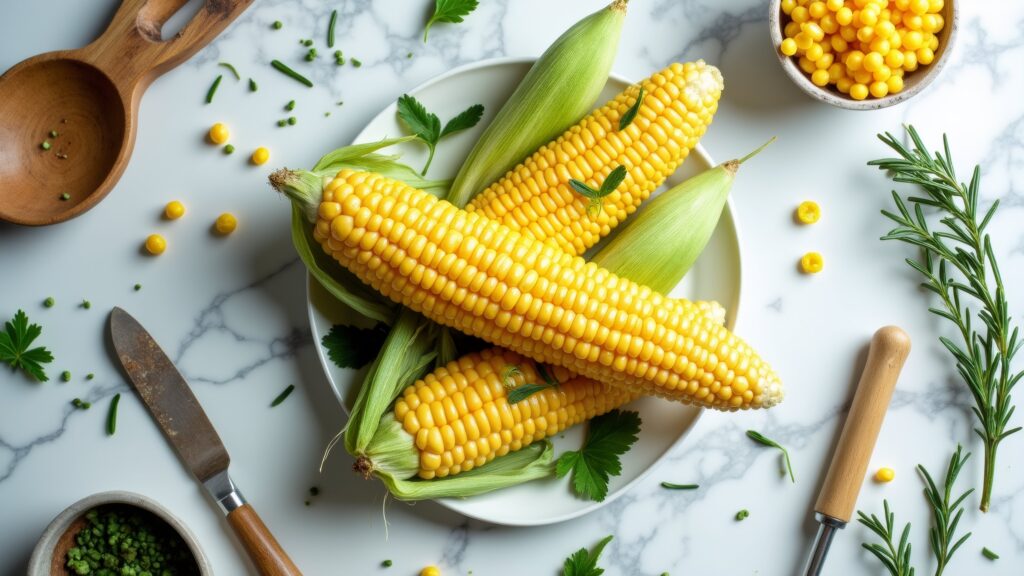
Sustainable aviation fuel is often criticized as “food for fuel,” but emerging feedstocks, agricultural residues and crop innovation tell a more complex story.