

Goverstry or Bust
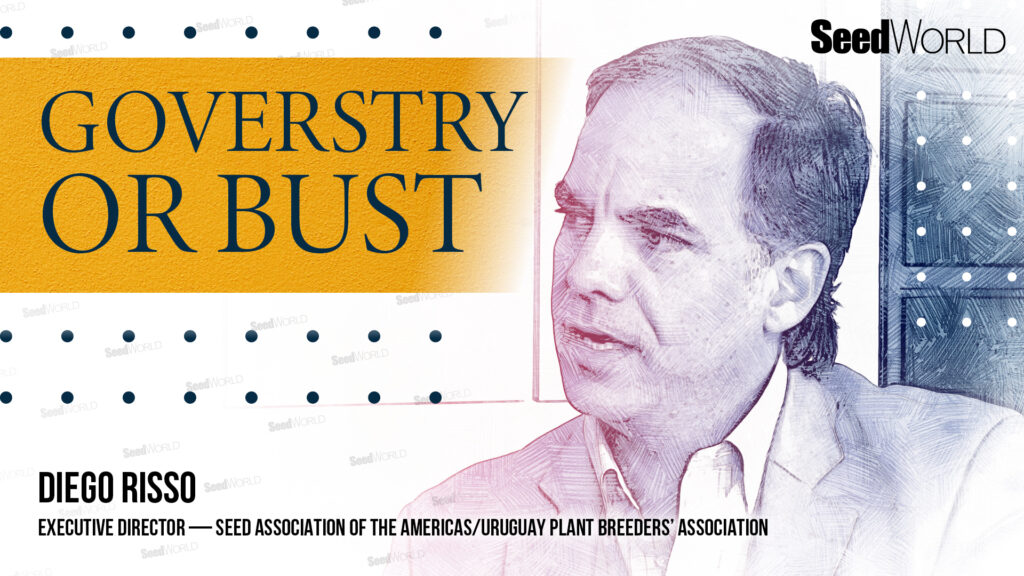
Diego Risso explains why outdated regulations block innovation and how science-based rules can drive the next generation of crop solutions.
Hot Takes: 10 Years to Breed, Five Years to Fund
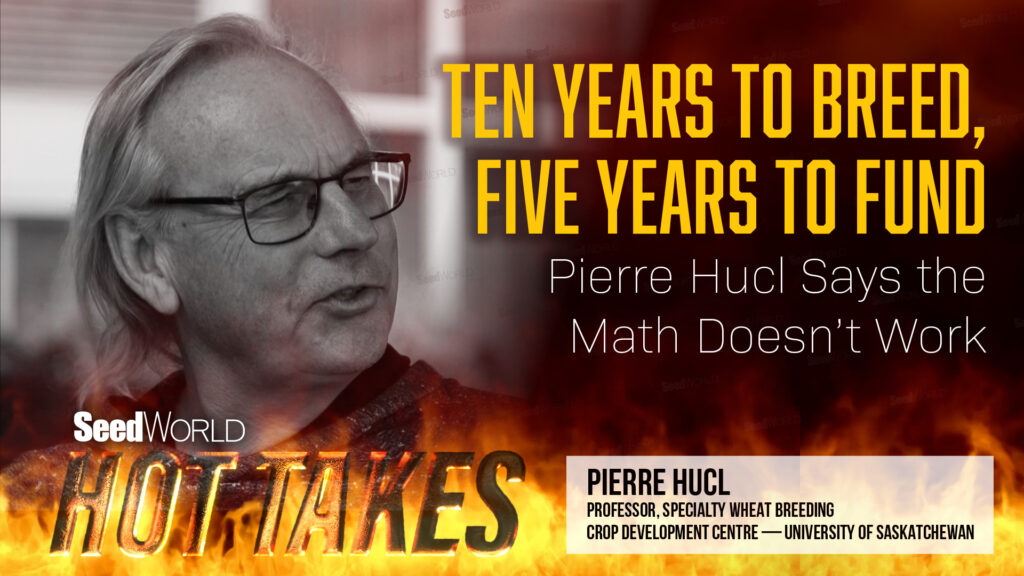
Pierre Hucl warns chronic underfunding and rigid five-year cycles cripple public wheat breeding and calls for freedom to truly innovate.
Policy, But Make It Interesting: Lauren Comin Rises to the Challenge
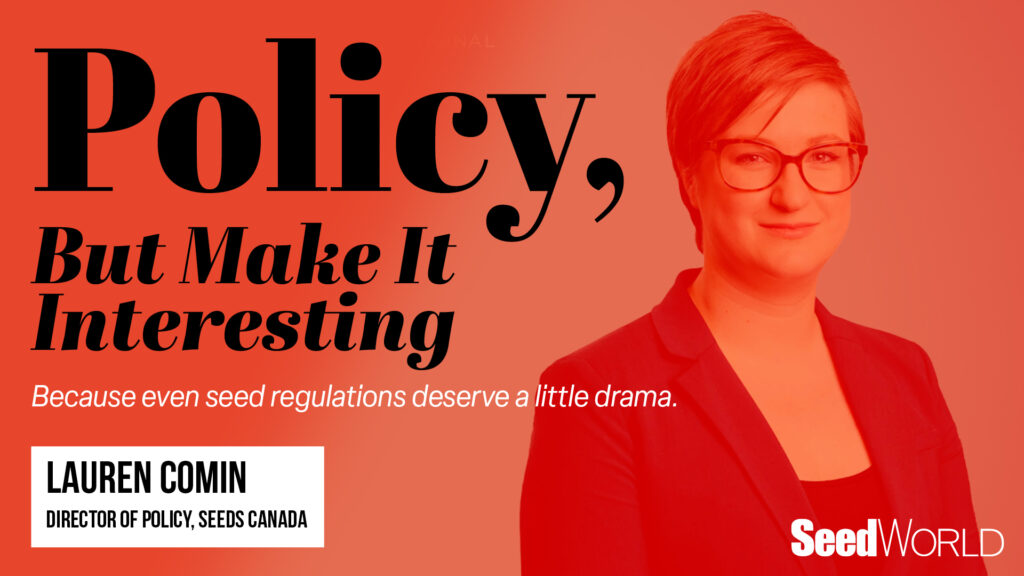
Lauren Comin urges bold seed sector reforms and stronger IP protections to give farmers faster, cheaper access to innovation.
Protein Pivot: How Seed Developers are Playing the Game
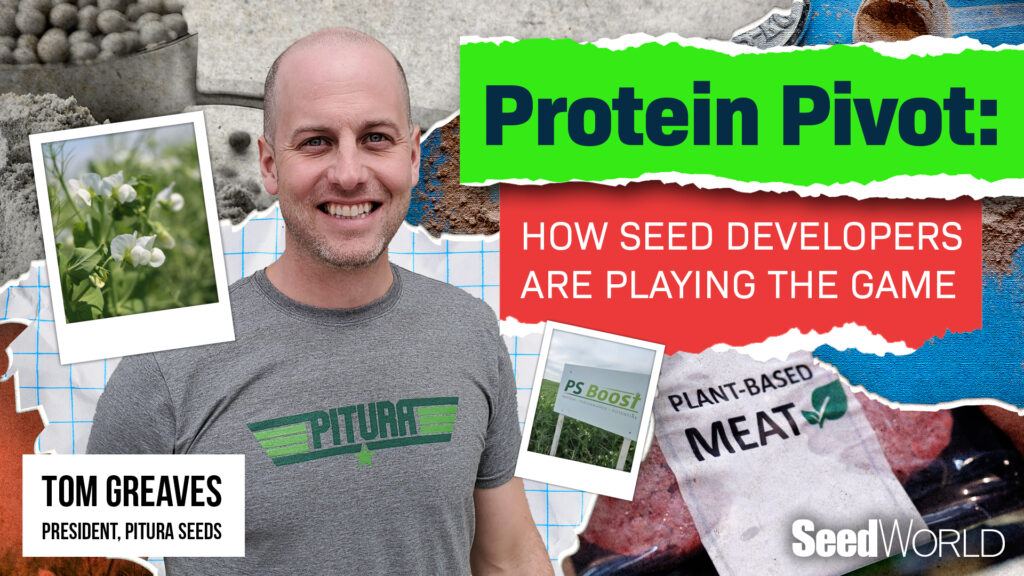
Pitura Seeds’ PS Boost links Prairie farm productivity with rising global protein demand, showcasing plant-based protein’s staying power.
Get Ready to Meet the Future of Seed Innovation

Meet the winners of the 2025 Seed World Global Innovation Showdown in an exclusive webinar showcasing standout innovations from around the world.
The Quiet Comeback of Canadian Asparagus: How New Varieties are Revitalizing a Forgotten Crop
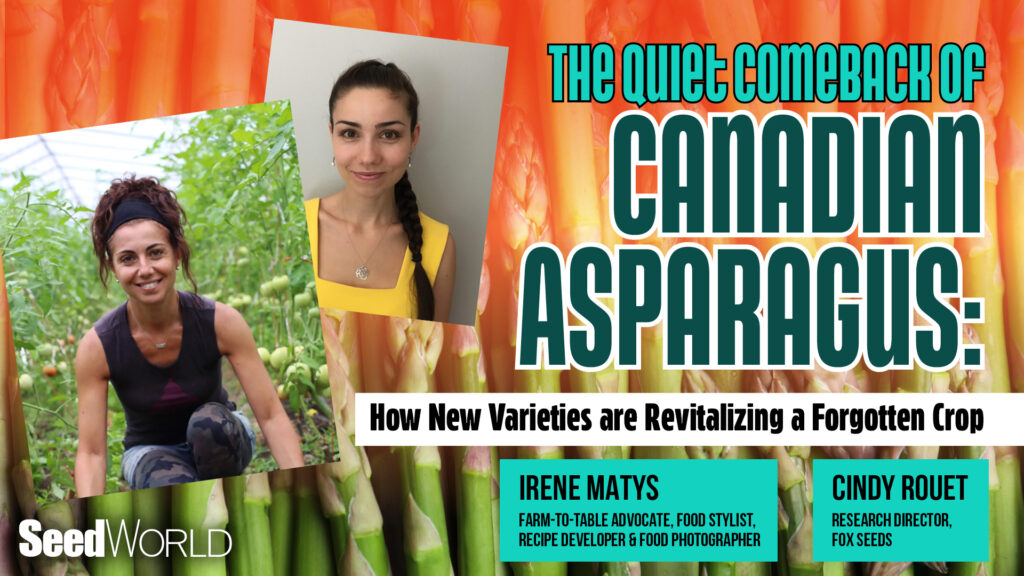
Cindy Rouet and Irene Matys reveal the decades of breeding behind asparagus and the push for flavour, nutrition, resilience and future-ready traits.
One Voice, One Future: How the Seed Sector Can Shape Ottawa’s Agenda
Industry leaders in a Seed World webinar outline how looming budget cuts and advocacy shifts could reshape public breeding, CFIA and the seed system.
One-Word Answers That Define 60 Years of Chin Ridge Seeds

Kelly Barany and Don Hubble of Chin Ridge Seeds share the words that define their success and how tradition, tech and customer focus deliver quality seed.
Missed World Seed Congress? Here’s What Everyone’s Still Talking About.

Inside the World Seed Congress in Istanbul: 1,800+ professionals, 70+ countries, bold ideas and breakthroughs shaping the future of seed.
Father to Son: The Values Behind Southern Seed
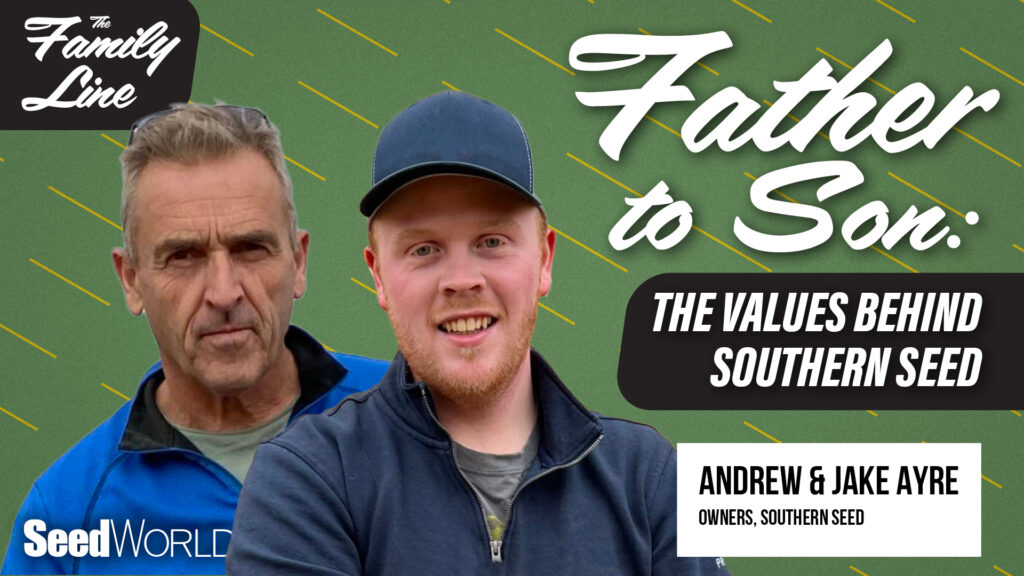
Andrew and Jake of Southern Seed share how tradition and innovation shape their family seed business, from old-school values to QR-code traceability.
Ukraine’s Soil at a Crossroads: Lessons from a Canadian Cover Crop Mission
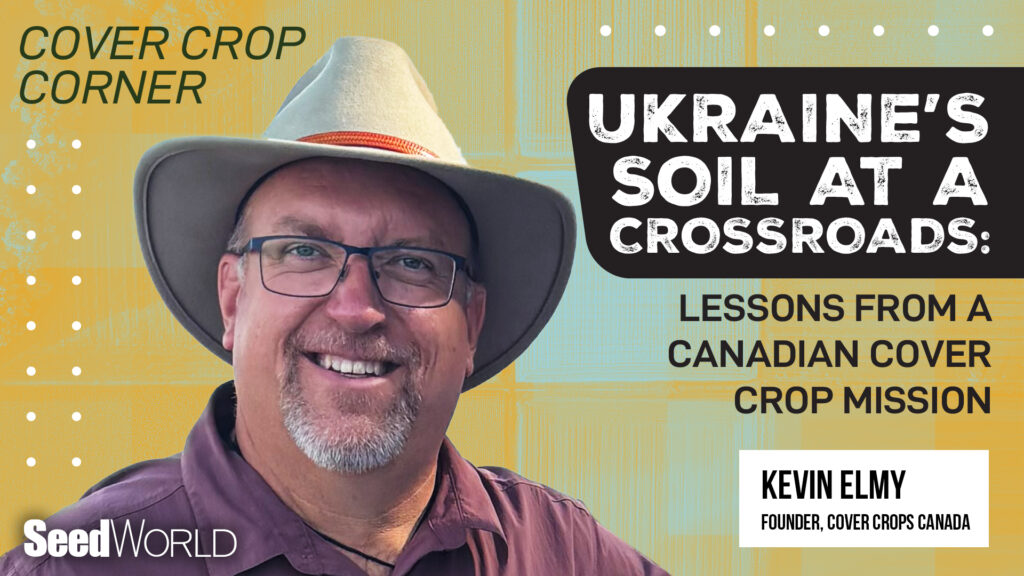
Kevin Elmy shows how over-tilled, nitrogen-dependent soils weaken crops worldwide and why cover crops and soil health principles offer a way forward.
From Field to Fine Dining: Why Getting Breeders and Chefs Around the Table Makes for Better Varieties
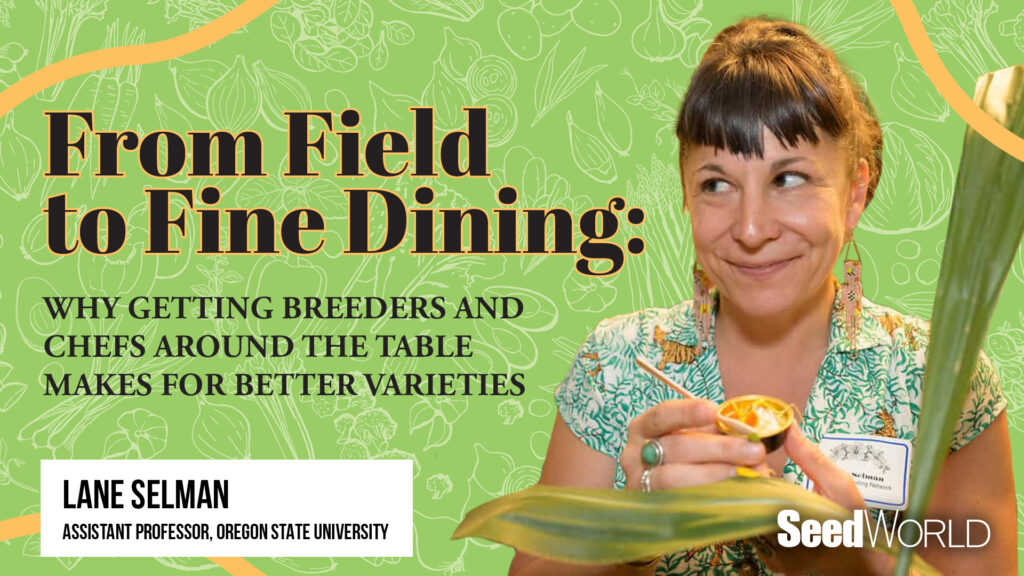
Lane Selman’s Variety Showcase brings chefs into crop breeding, reviving flavour and connecting breeders, farmers and the public to shape future foods.
Beyond the Lab: Why 20/20 Seed Labs is Investing in Field-Level Trials

20/20 Seed Labs delivers the deeper insights and data today’s precision farmers need to make decisions that help farms — and agriculture — thrive.
The Power of Intentional Storytelling

Shawn Brook highlights barriers slowing seed industry progress and applauds efforts to remove them, urging collaboration to open channels for innovation.
Why the Best Builds Don’t Begin with Blueprints

Nexeed shows how real-world experience, planning and collaboration drive better seed processing — and a stronger, thriving seed industry.
Public vs Private Plant Breeding: What’s the Middle Ground?
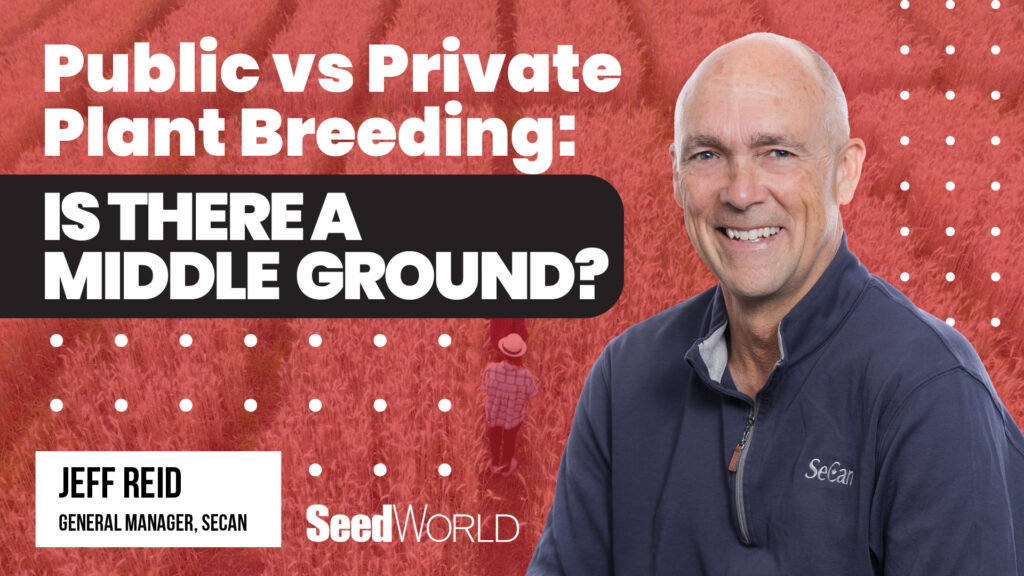
Jeff Reid rejects the public vs. private breeding divide, arguing middle ground is essential to keep Canadian agriculture competitive.
Check out what SGS is doing now…
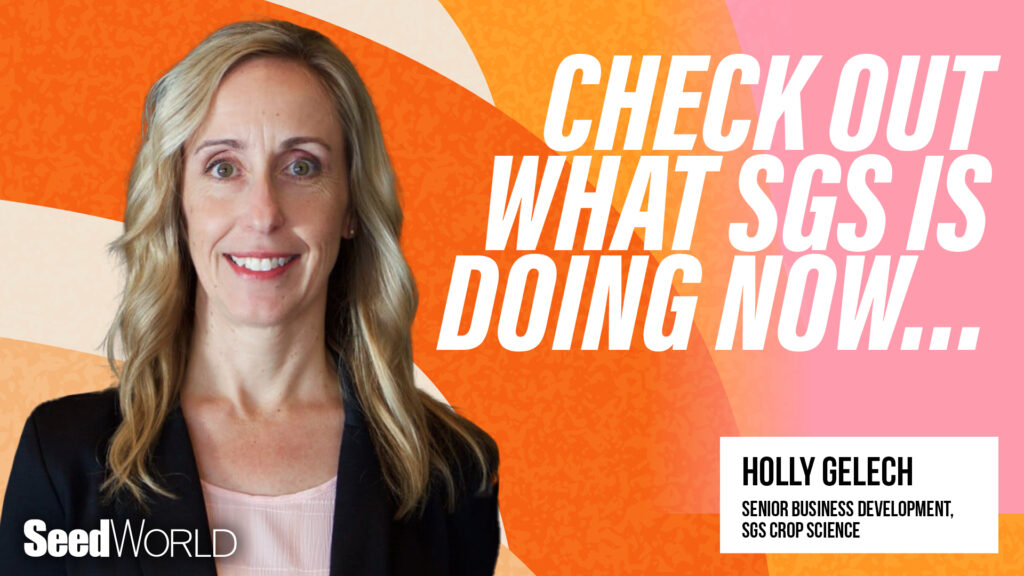
SGS is carving out its niche in the seed industry community — and offers lessons on building presence and pride within the sector.
Here’s Why Pure Seed is Big News in Turf Around the World

Pure Seed’s 50th anniversary field day offers a rare inside look at one of the world’s most quietly trailblazing turf and forage seed companies.
Inside the Seed Business: Keating Seed Co.

Inside the Seed Business visits Keating Seed Co. in Russell, Manitoba, where a third-generation farm has built one of Western Canada’s top seed cleaning operations.
Billboard to the World

We asked top leaders in the international seed sector: if you had a billboard to the world, what would it say?
Unlocking Opportunity in Specialty Crops
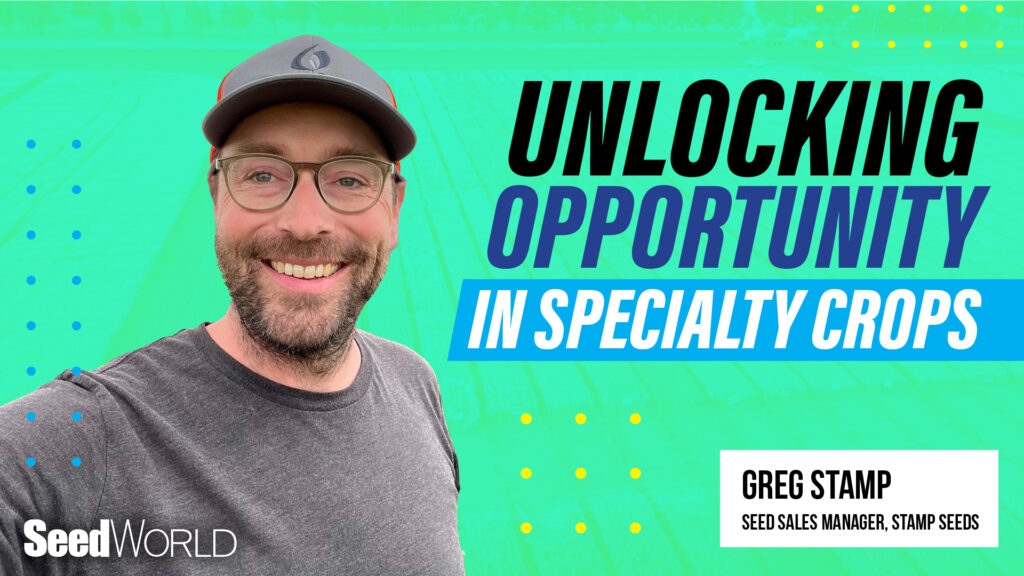
Greg Stamp of SeedNet shares why niche crops matter and how specialty seed offers diversification, market connections and resilience in volatile times.
Yasmine Ambrogio to Lead Research Policy and Project Coordination at Euroseeds

Yasmine Ambrogio joins Euroseeds as Manager of Research Projects and Policy, bringing expertise in food law, sustainability, and regulatory frameworks. She will help integrate legal insights into seed research, enhance Horizon Europe project engagement, and bridge science with policy, supporting innovation and sustainable solutions in the European seed sector.
One Quiet Fix That Changes the Whole Season
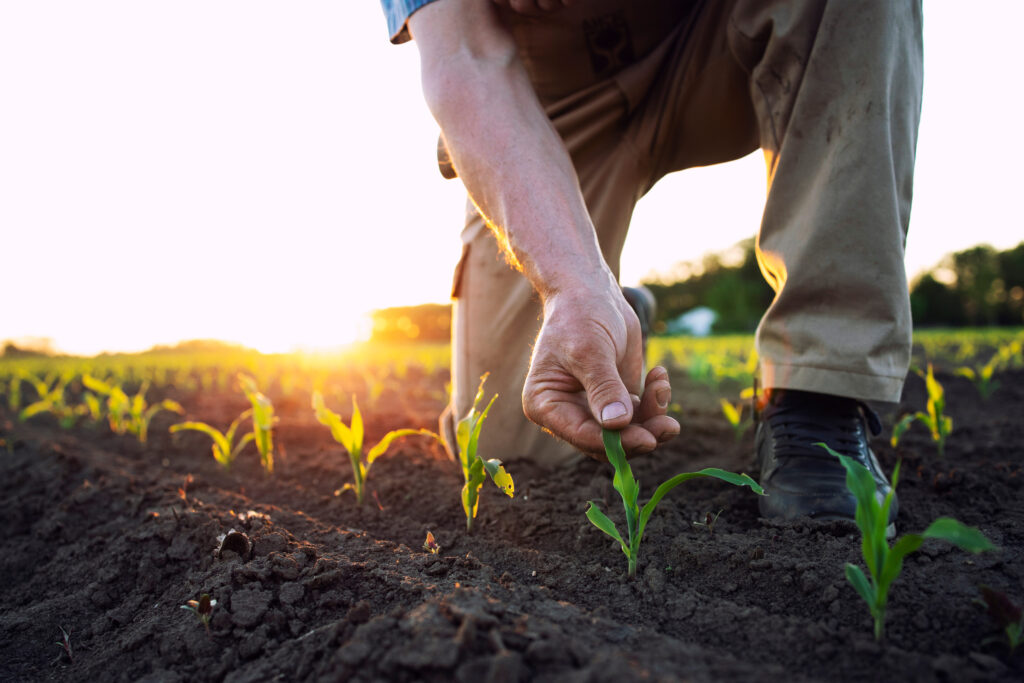
Strong crops don’t come from constant fixes — they come from smart early-season decisions. Uniform stands, clean rows, and resilient plants often trace back to the right seed and seed treatments, reducing sprays, replanting, and mid-season stress. That’s sustainable agronomy and smart business.
Ag Ministers Close Ranks as Trade War Squeezes Canola

Billions in new funds, faster approvals and biofuel promises — but will it be enough to keep Prairie canola from backing up at the bin?
SRM is Heating Up and the Stakes Couldn’t be Higher for Growers, Miller Says

CSGA warns that without mandatory data, independent inspections, and smarter delegation, SRM risks missing the mark. After five years of intense work, the CFIA’s Seed Regulatory Modernization (SRM) process has […]
Red, Yellow, Green: The Truth About Canada’s Seed Overhaul

The CFIA’s seed overhaul is here — and unless farmers weigh in now, the rules that shape your farm’s future will be written without you.
North Carolina Farmers to Receive $221 Million in USDA Disaster Assistance
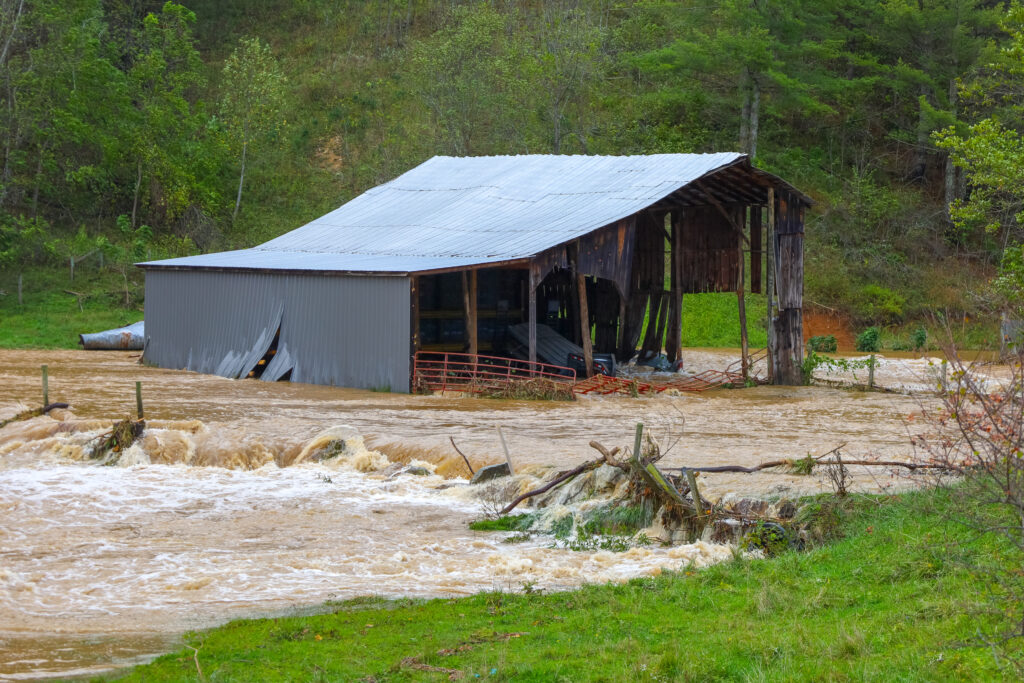
Nearly a year after Hurricane Helene devastated farms across the Southeast, USDA is providing $221.2 million in disaster assistance to North Carolina producers to help rebuild losses. SeedWorld.com has followed Helene’s agricultural impact and recovery efforts from the start.
El Calor Amenaza la Producción de Lechuga a Campo Abierto en Brasil para 2100
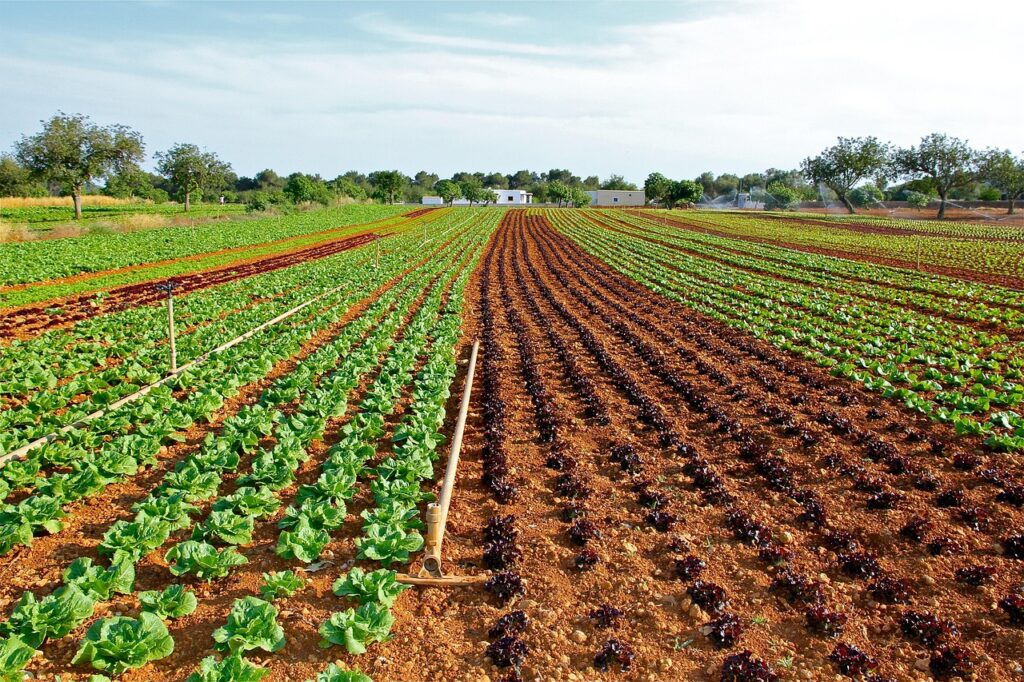
Una investigación de Embrapa Hortaliças (DF), basada en proyecciones climáticas de modelos del INPE y del IPCC, indica que la siembra de lechuga al aire libre en Brasil podría volverse cada vez más difícil en las próximas décadas.
Heat Threatens Open-Field Lettuce Production in Brazil by 2100
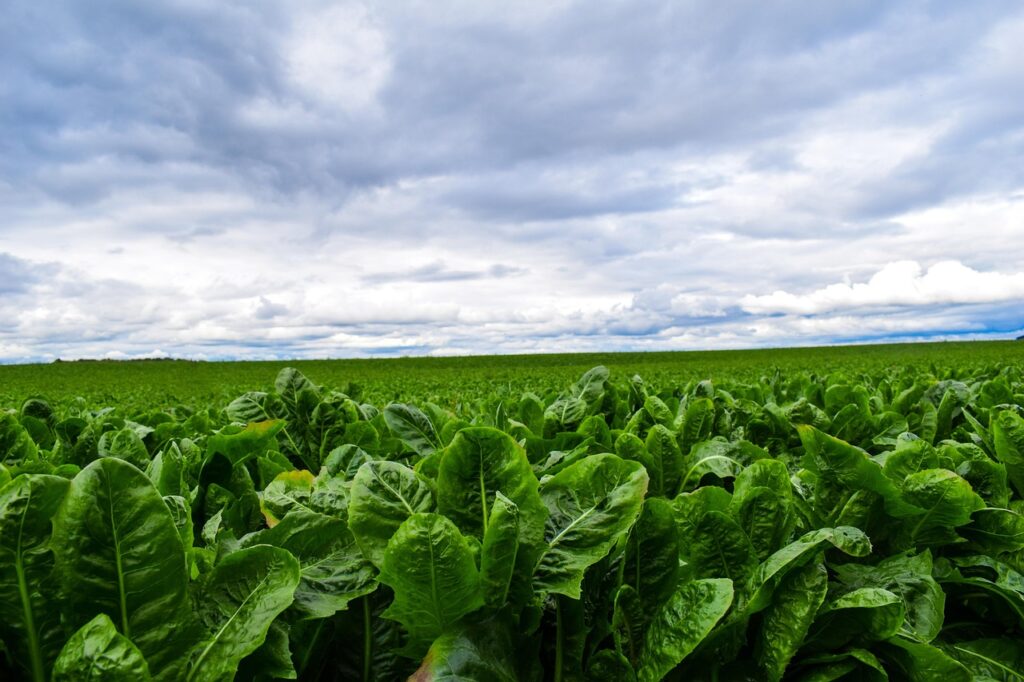
Research by Embrapa Hortaliças (DF), using climate projections from Inpe and IPCC models, indicates that planting lettuce outdoors in Brazil may become increasingly difficult in the coming decades. By the end of the century, nearly the entire country could face high or very high risk for lettuce cultivation due to rising temperatures, especially in summer when they may exceed 40°C—well above the crop’s optimal range.
Congreso de Semillas de las Américas 2025: ¿Listos para lo que viene?

El Congreso de Semillas de las Américas regresa del 29 de septiembre al 1 de octubre en Foz do Iguaçu, Brasil, con 2,5 días de estrategia, ciencia y networking en la industria de semillas.
Seed Congress of the Americas 2025: Ready For What’s Next?
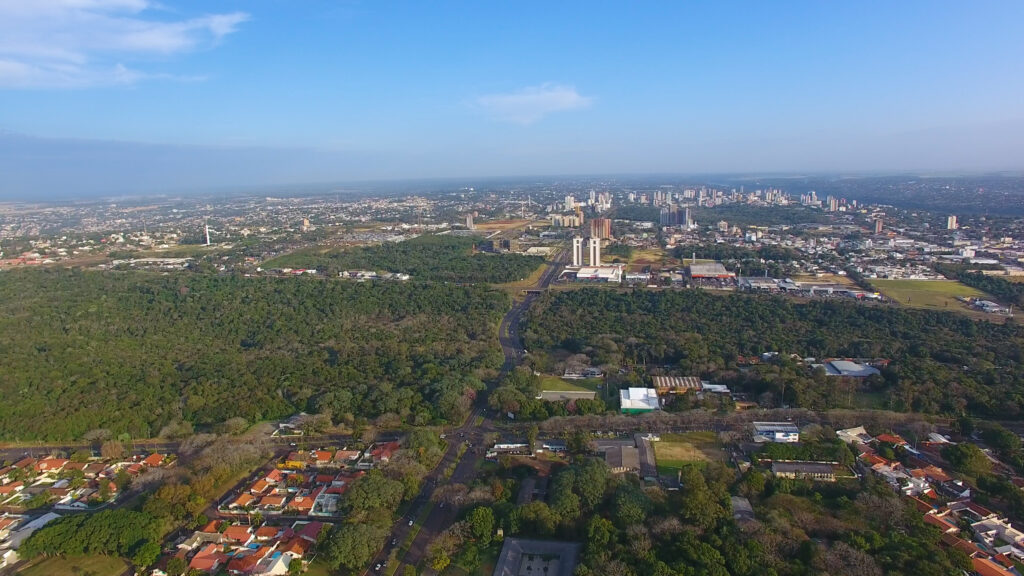
The Seed Congress of the Americas is back — and it’s bigger, bolder, and more connected than ever
Shaping the Future of Plant Genetic Resources: PRO-GRACE Final Event in Crete
The EU-funded PRO-GRACE project is pleased to announce its final dissemination event: the 2nd International Workshop on Plant Genetic Resources, taking place on 8–10 October 2025 at the Conference Centre of the Mediterranean […]
First Confirmed Case of Pea Bruchid in UK Commercial Pea Crop
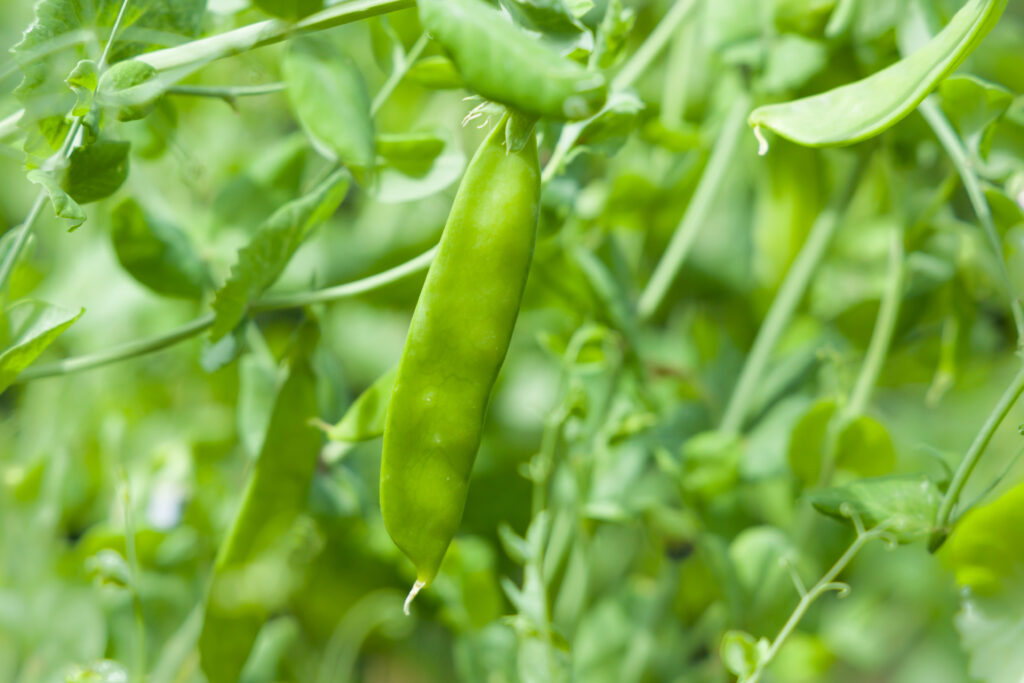
The PGRO has confirmed the first-ever detection of pea bruchid in a UK commercial pea crop, found in Cambridgeshire. Common in northern France, the pest appears to have completed its life cycle in the UK this spring due to unusually warm, dry conditions. Larvae develop inside pea grains, and adult beetles leave holes that can sharply reduce crop quality, particularly for human consumption.
Rethinking Rhizobia: The Hidden World Inside a Seed
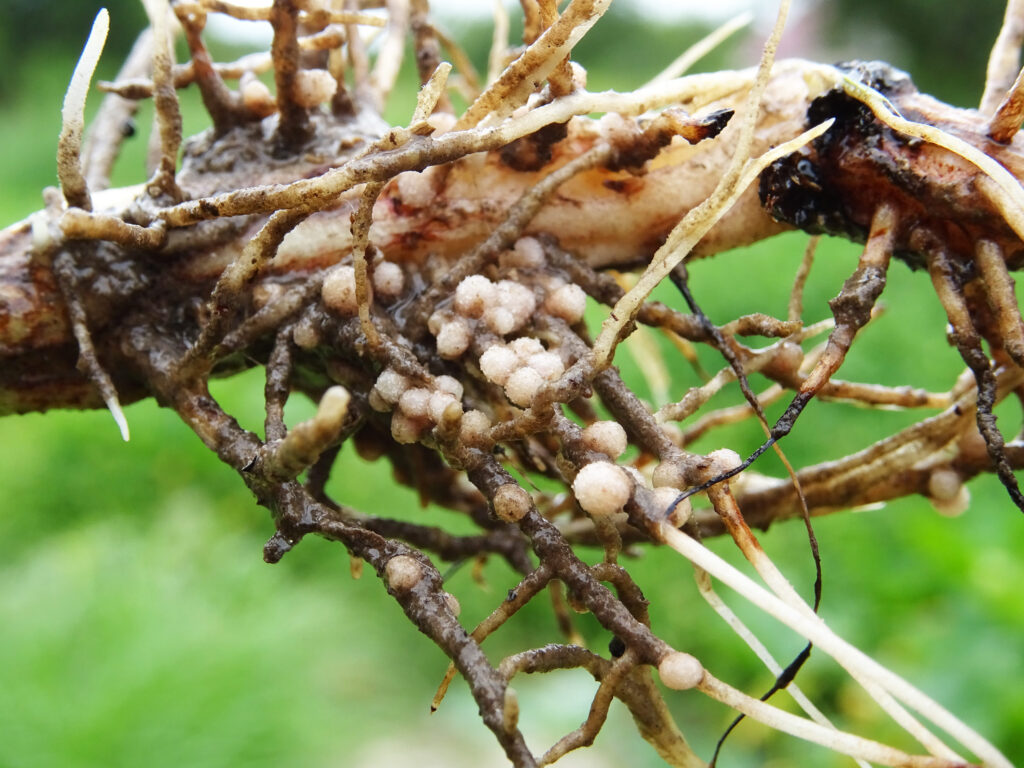
At Summit, we often work with technologies that you can’t see with the naked eye. Seed coatings, polymers, and microbial inoculants may appear invisible once applied, yet they can determine […]
Cover Crops Could Boost Soil Health in High Tunnels
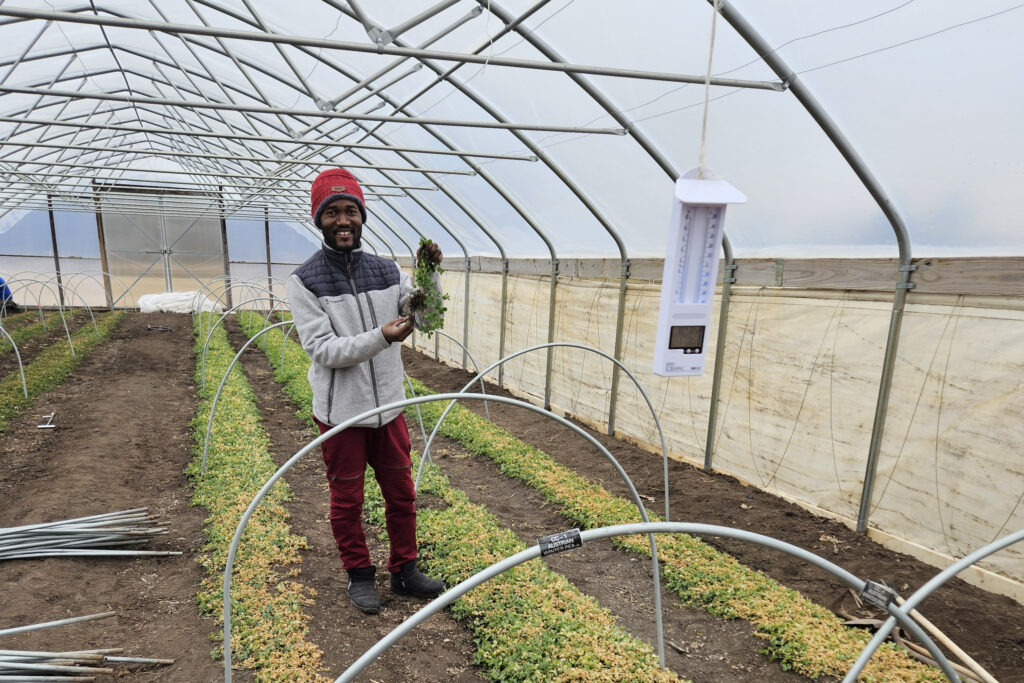
University of Minnesota scientists are testing cover crops in high tunnel systems with 40 organic vegetable farmers to improve soil health and productivity. Early results show legumes like peas and beans can provide nitrogen without excess phosphorus, offering environmental and economic benefits.
Canola Industry Slams Federal Relief Package

Canada’s most valuable crop is in crisis, and farm leaders say Ottawa’s response is falling dangerously short