
AgroENSO Maps El Niño Impacts on Argentina Crops
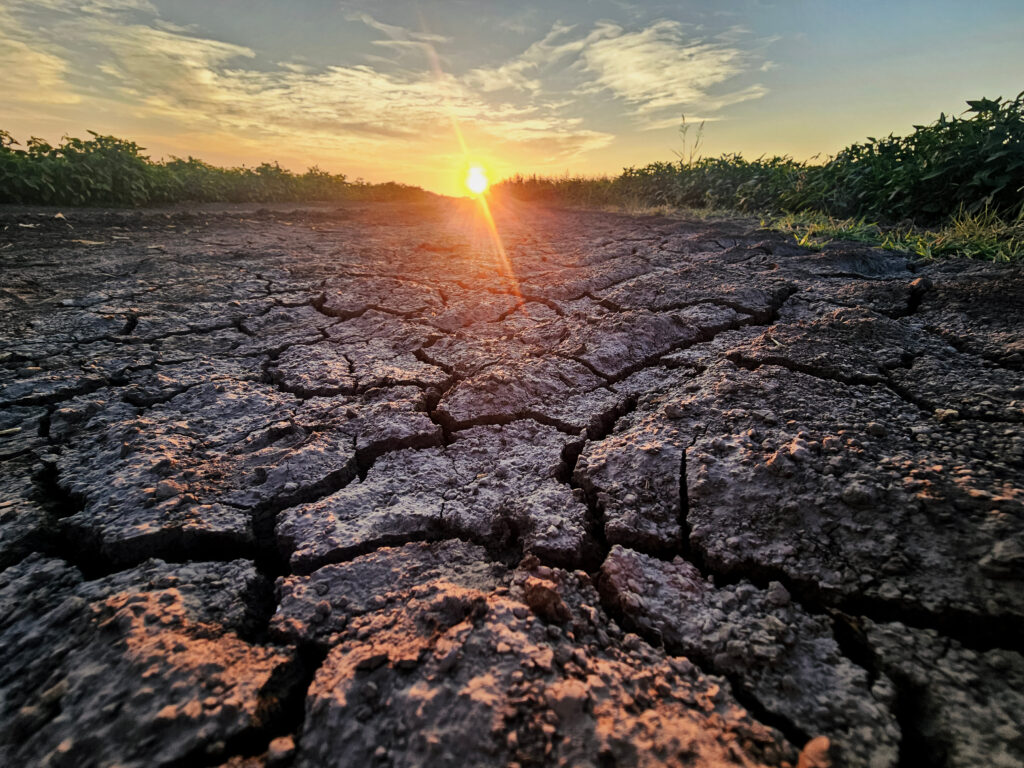
AgroENSO is a free platform developed by CONICET and INTA scientists to show how El Niño and La Niña have affected corn, soybeans, wheat, barley and sunflower yields across Argentina.
AgroENSO mide el impacto de El Niño en cultivos argentinos

AgroENSO es una plataforma gratuita desarrollada por científicos del CONICET y del INTA para analizar cómo El Niño y La Niña han afectado el rendimiento de maíz, soja, trigo, cebada y girasol en Argentina.
INASE Digital Access Portal Launches September 7

INASE digital services in Argentina will move to a single access portal beginning Sept. 7. Users will need a valid ARCA Fiscal Key to manage payments, seed lot records and other procedures through the updated system.
Plant Breeding Investment Needs Faster Decisions

Canada has been a global leader in crop production and plant breeding for a long time. But leadership is never permanent. We are in a fight for investment, innovation and […]
What This New Partnership Could Mean for Every Wheat and Barley Farmer
The CWRC and CBRC have formalized a partnership aimed at building a more innovative, resilient breeding system for Canadian farmers
CO₂ Fertilization and Crop Yield Policy Blind Spots

CO₂ fertilisation may be an overlooked factor in crop yield growth, according to recent NBER research using satellite data. Marcel Bruins explores what the findings could mean for plant breeding, productivity modelling and climate policy.
Molecular Switch Helps Crops Handle Heat Stress
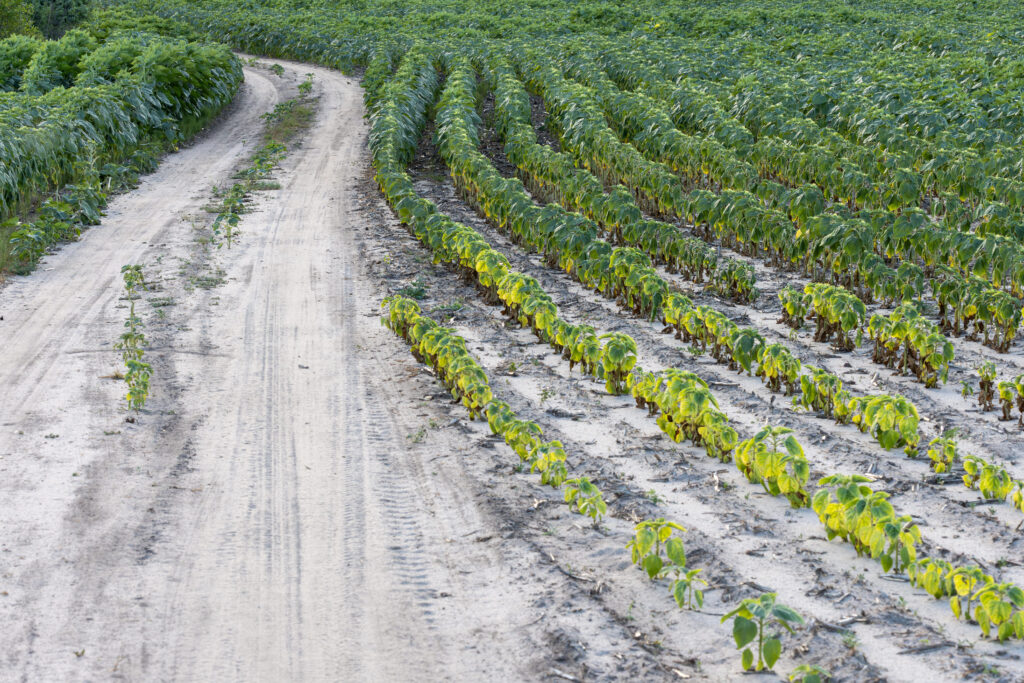
Researchers have identified a molecular mechanism that could support crop heat stress resilience by keeping stomata open during high temperatures. The discovery offers new insight into plant cooling, heat resilience and future crop improvement.
Ag Economy Barometer Rises as Farm Outlook Improves

The Ag Economy Barometer climbed in August as U.S. farmers expressed stronger confidence in future financial performance and agricultural exports. Producers also identified strategic planning as a key skill for improvement and a likely area for AI support.
TÍTULO SEO:El portal de acceso digital de INASE se lanza el 7 de septiembre

EXTRACTO:
Los servicios digitales de INASE en Argentina pasarán a un portal de acceso único a partir del 7 de septiembre. Los usuarios necesitarán una Clave Fiscal ARCA válida para gestionar pagos, registros de lotes de semillas y otros trámites mediante el sistema actualizado.
Seed Sector 2045: Is Europe Competitive for Plant Breeding Innovation?
Europe has strong plant breeding talent, public research and seed systems, but plant breeding innovation depends on more than ambition. NGT regulation, PRM reform, research funding, intellectual property and policy coherence will shape whether new varieties reach farmers fast enough.
Why the “Plant Breeding Pipeline” is the Wrong Model for Canada
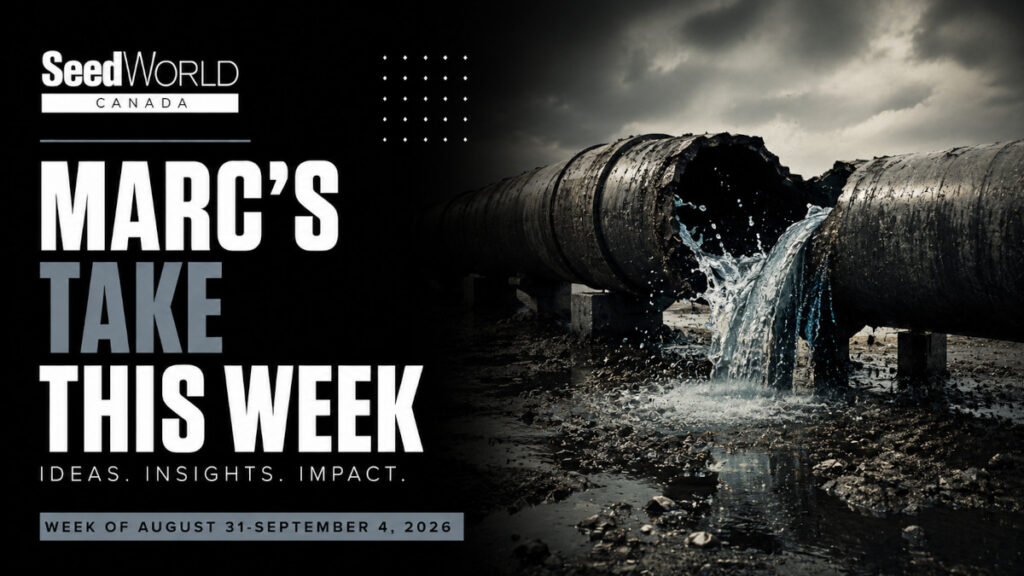
Breeding, registration and seed certification can no longer operate as isolated steps in an era of continuous data and rapid innovation
You Can Process More Lines. You Can’t Automate Better Ideas.
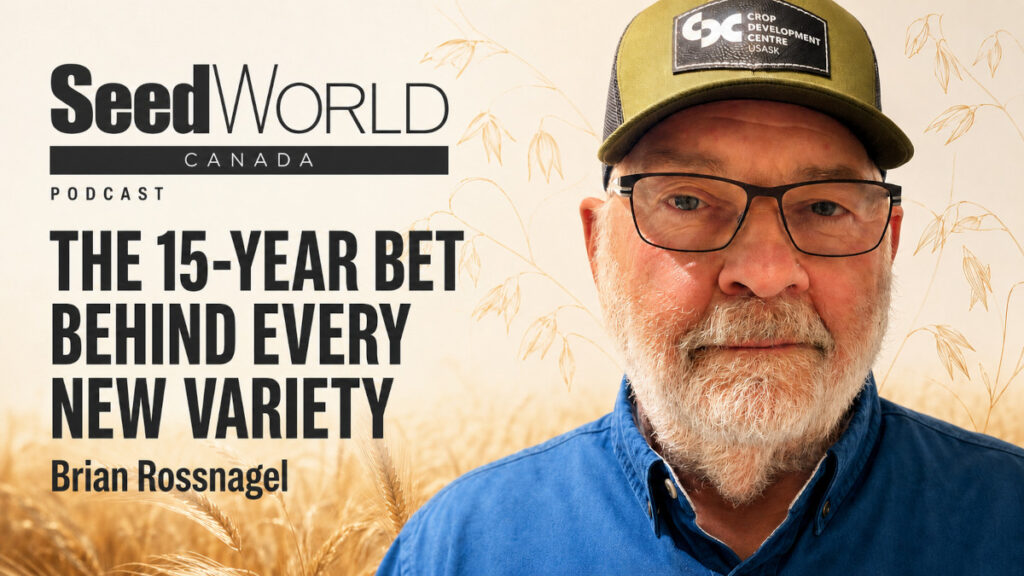
Technology lets breeders evaluate tens of thousands of candidates, but Brian Rossnagel says efficiency cannot replace scientific talent and competing ways of thinking
Wolfson Foundation Funds Plant Research Facilities

The Wolfson Foundation is investing £1.6 million in plant research facilities at the John Innes Centre and The Sainsbury Laboratory. The funding will support LED lighting for a new glasshouse, insectary and horticultural research facility in Norwich.
Vylor Corn Roadmap Shows Corteva’s Seed Strategy
Corteva has released a Vylor corn roadmap that outlines the future seed and genetics company’s planned technology platforms through 2035, including yield traits, gene editing, insect control and licensing opportunities.
The Economics of Climate-Friendly Grains

Climate-friendly grains such as intermediate wheatgrass may attract consumers willing to pay more for sustainable bread. New Cornell research suggests demand exists, but taste, yield, processing infrastructure and supply chain coordination will determine whether that interest can become a viable seed industry opportunity.
EU PPWR: What Seed Companies Need to Do Now
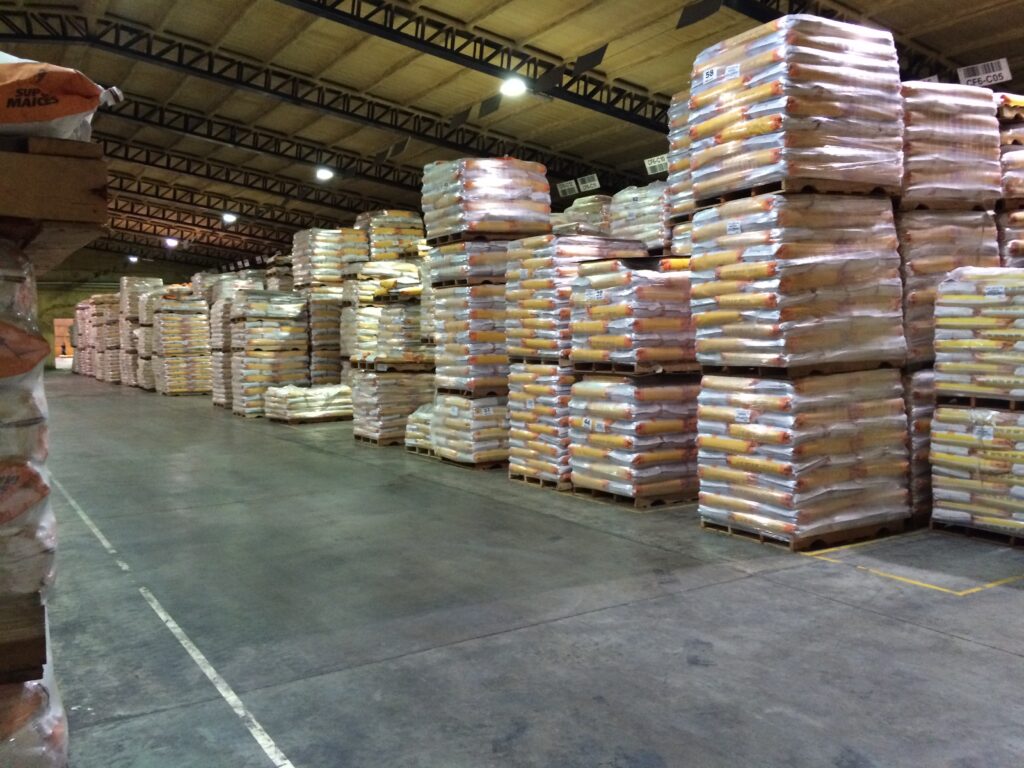
The EU PPWR now applies to packaging used across the seed sector. Seed companies and exporters need to understand their roles, EPR duties, recyclability rules, recycled content requirements and possible future reuse obligations for seed bags and other formats.
The Proof is in the Product
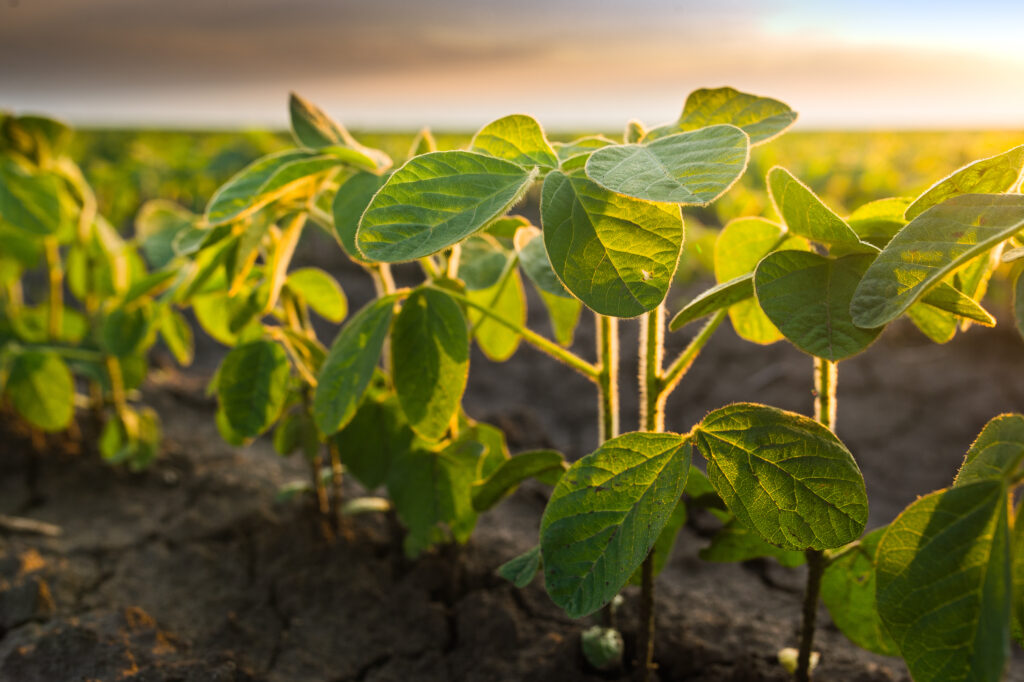
Jord BioScience says its 9311 biostimulant delivered consistent soybean performance across multiple years of field trials, showing yield, biomass, emergence, nodulation and vigor benefits under variable growing conditions.
Canada’s Next Crop Varieties Depend on What Happens Now: Curt Baldwin
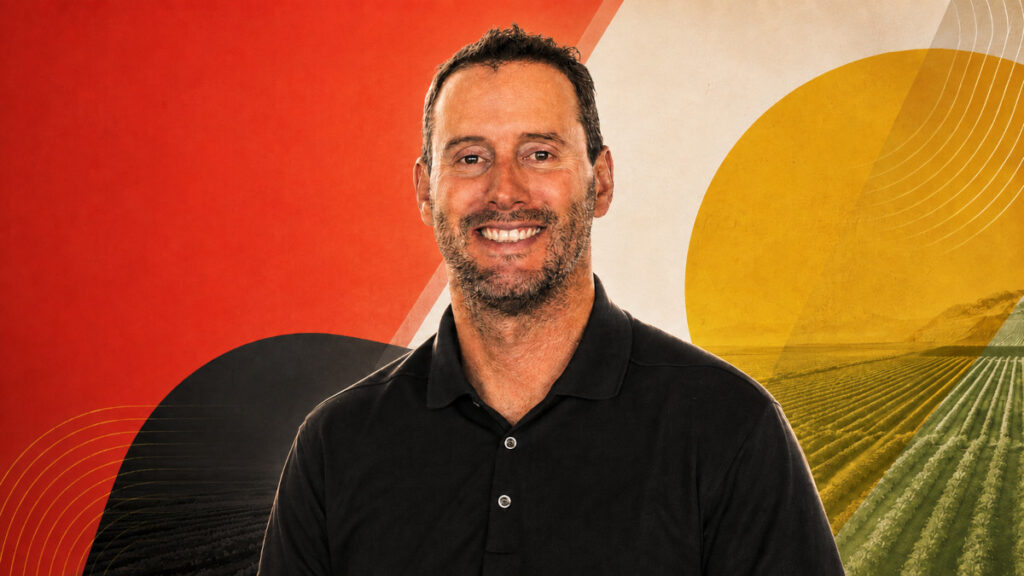
Creating a sustainable environment for public and private plant breeding investment will be essential to delivering the genetics farmers need, says the president of Seeds Canada
ASTA Field Crop Seed Convention Returns to Chicago

The Field Crop Seed Convention will return to Chicago Dec. 7-10, 2026, after three years in Orlando. ASTA says the event will feature keynote speakers, educational sessions, exhibits, business meetings and networking for the global seed industry.
How Rigorous R&D Delivers Outstanding Soybean Yield and Operational Performance
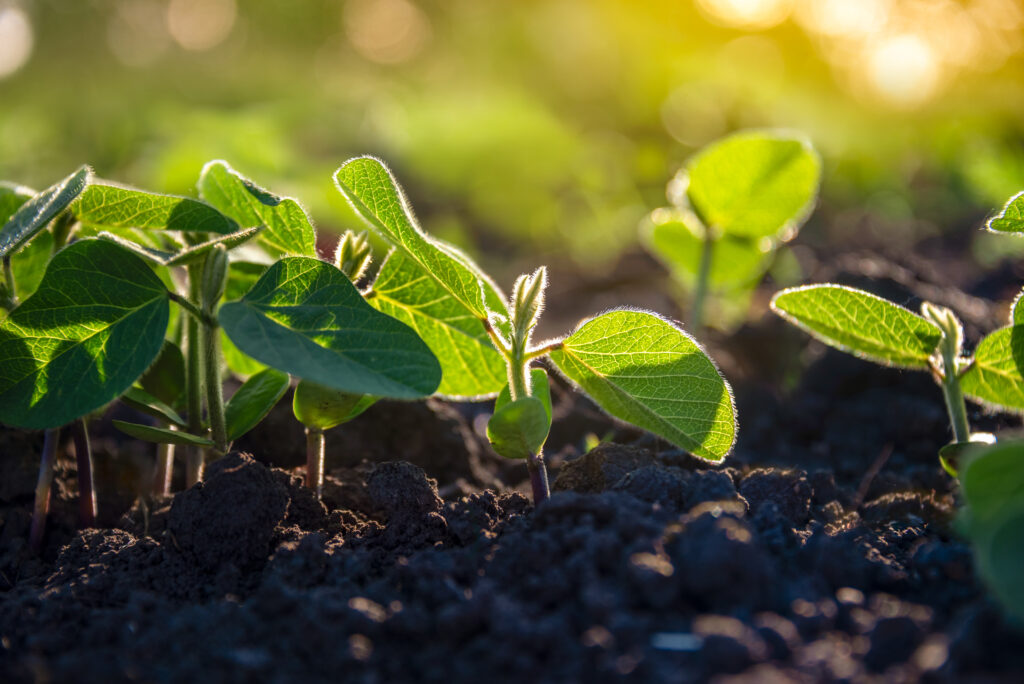
Lumisena Prime combines fungicide and insecticide components in a single-jug soybean seed treatment designed to protect early-season plant health. Corteva says its R&D trials showed yield advantages, strong Phytophthora defense and improved operational efficiency for seed retailers.
Why the New Plant Breeder is Part Geneticist and Part Data Scientist
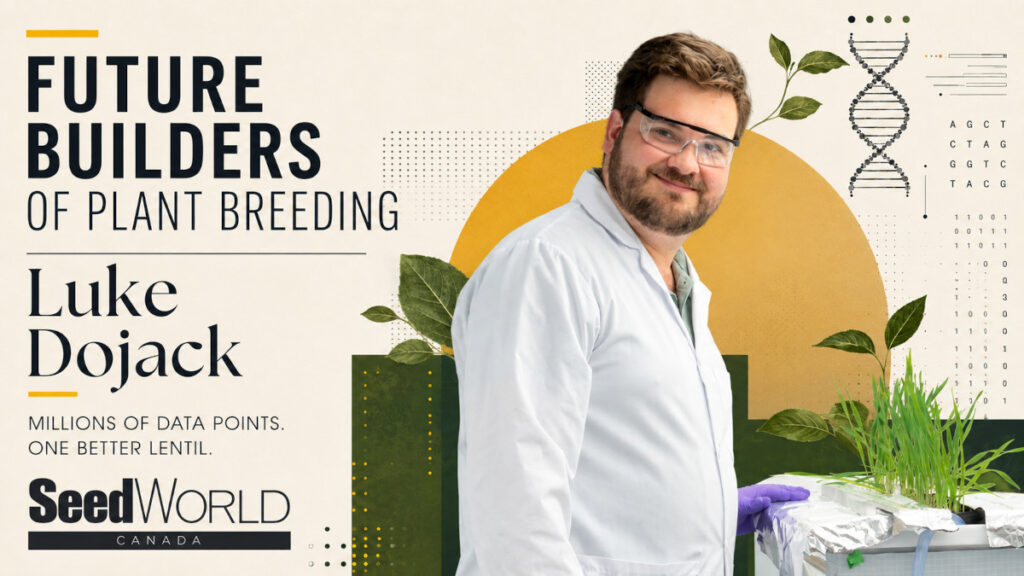
A University of Saskatchewan PhD student is combining field experience, genetics and AI to build faster, more practical tools for lentil breeding
Seed Certification Was Built for Trust. It Has to Be Built for Change, Too

Shannon Bieman takes on the CSGA presidency as seed certification continues to evolve, bringing her perspective on the people, technology and priorities shaping its future
When Your Seed Expertise Becomes a Bridge to Recovery

After Hurricane Melissa devastated farms in Jamaica, donated vegetable seed offered organic growers a path back to production. Seed health testing, regulatory cooperation and industry collaboration helped ensure the shipment could move safely across borders.
Finding Your Competitive Advantage in a Crowded Seed Market

Competitive advantage is not always found in products, pricing or scale. This article explains how seed companies can identify why customers choose them and turn that difference into a repeatable business strategy.
Advancing Better Canola: Before Canola Can Thrive, it Must Survive
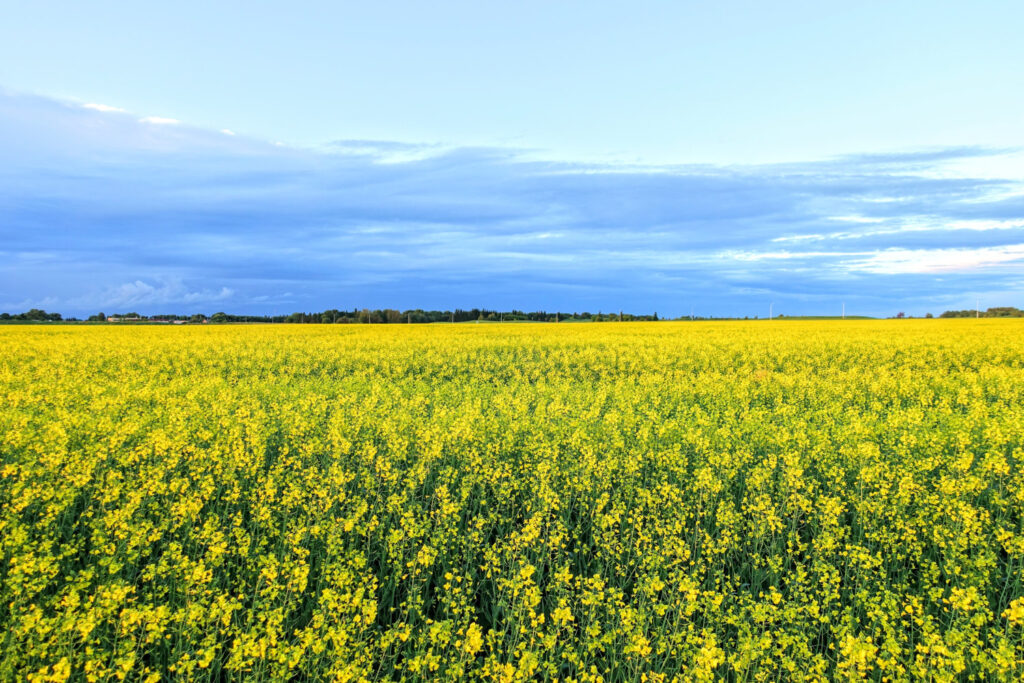
Canadian farmers planted a record 23.4 million acres of canola in 2026, according to Statistics Canada. That number tells an important story about the scale of canola in Canadian agriculture. […]
One Rye Chromosome Has Already Changed Wheat. What Else Is Hiding There?
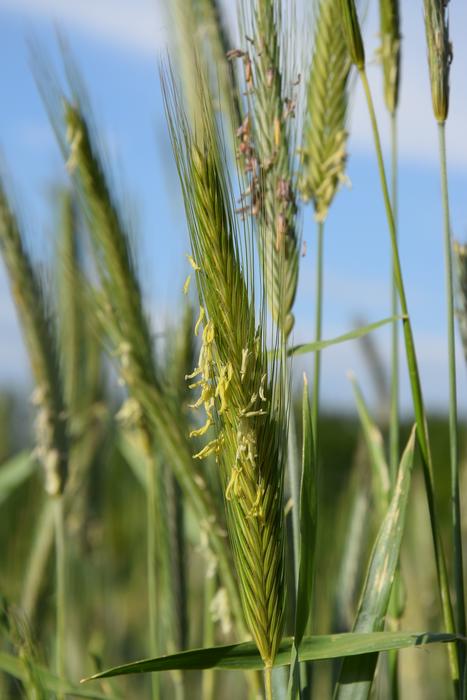
A new high quality rye reference genome reveals far greater diversity in a chromosome region already used to improve disease resistance, stress tolerance and yield in wheat. Rye shares a […]
The Next Generation of Plant Breeders Is Here
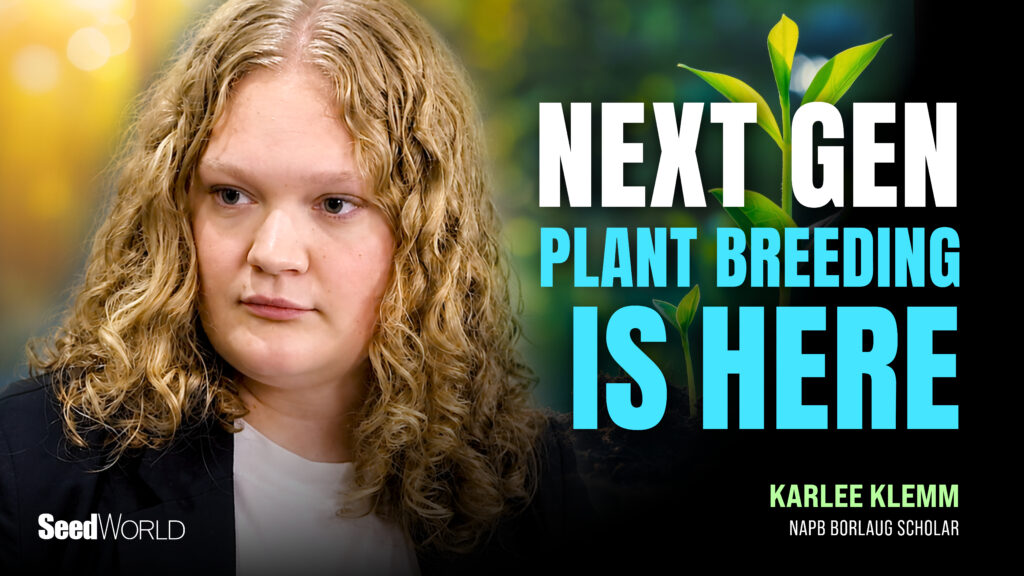
Borlaug Scholar Karlee Klemm shares how technology, agriculture and a drive to make an impact are shaping the next generation of plant breeders.
Three Degrees Warmer, Three Times the Wheat Price?
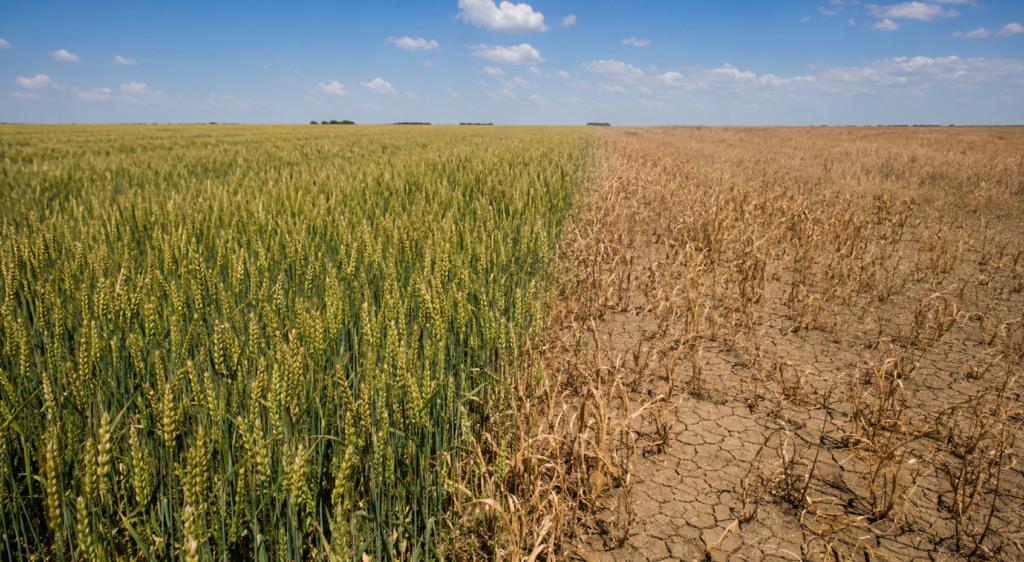
New research shows that severe water scarcity across major wheat-growing regions is closely linked to global wheat prices, with climate models suggesting that worsening compound droughts could create major risks for markets, food systems and consumers.
Plant Varieties, A Heritage to be Protected
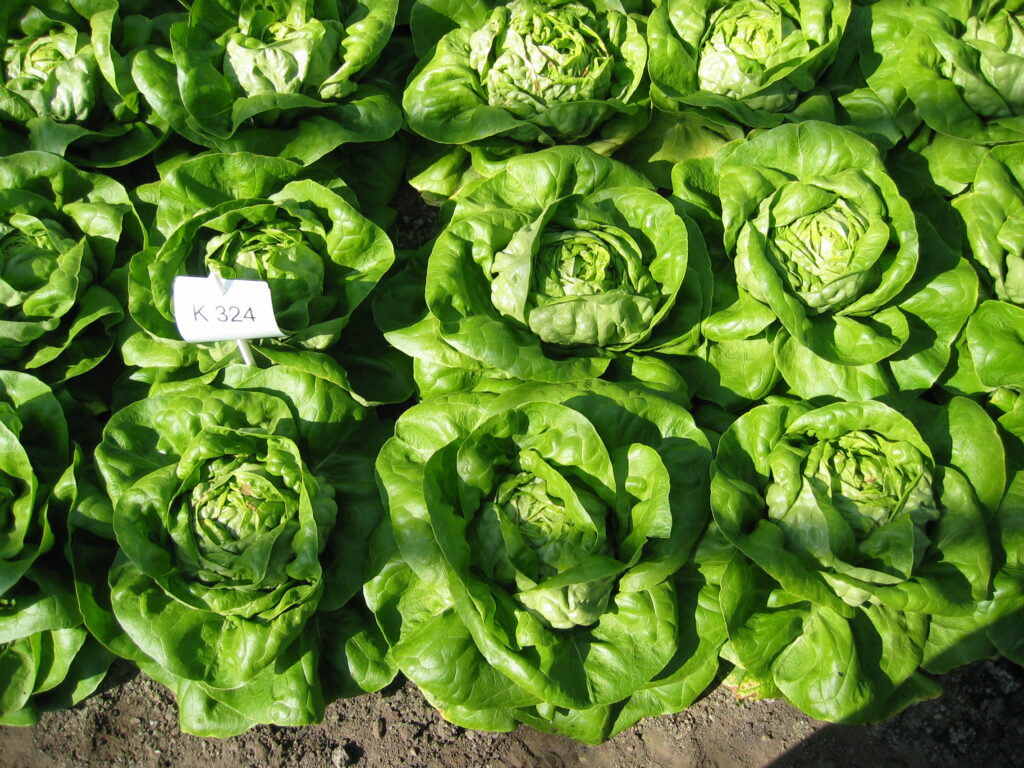
“Innovation in agriculture depends on Plant Breeders’ Rights.” This was stated by Anthony Parker, the new president of UPOV, the Geneva-based intergovernmental organization that promotes the protection of plant varieties […]
Faster Plant Breeding Puts Canada’s Seed System to the Test

Advances in genomics are accelerating breeding while raising new questions about variety registration, research infrastructure and speed to market. Three new stories graced the home page of Seed World Canada […]
Biological Seed Treatments Made Simple
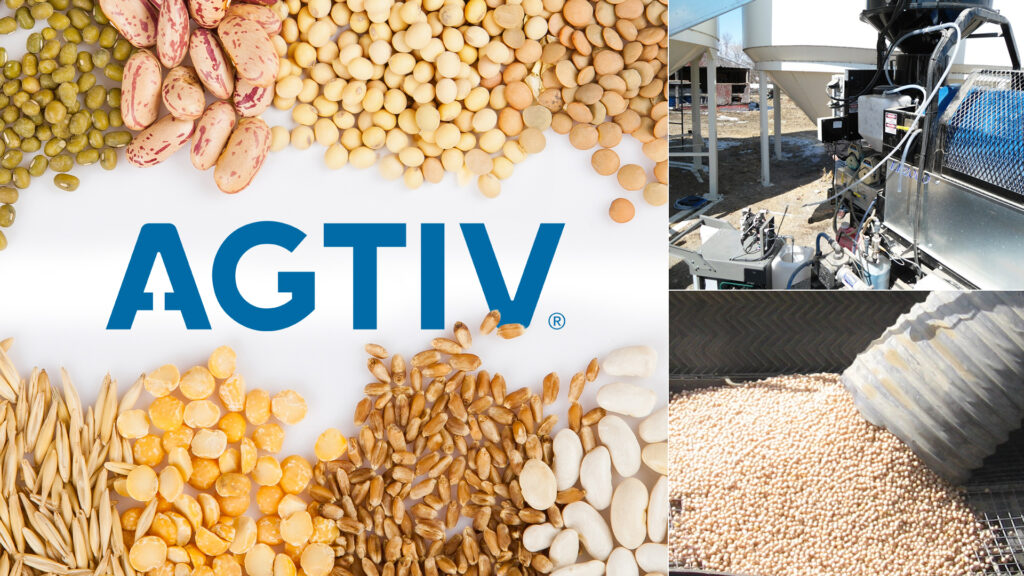
Biological seed treatments are becoming a practical option for commercial seed treaters looking to support crop establishment, nutrient use and crop resilience. Product fit depends on viability, crop positioning, storage needs and compatibility with existing treatment workflows.
Can Genomics Speed Up the Journey From Breeder to Farmer?
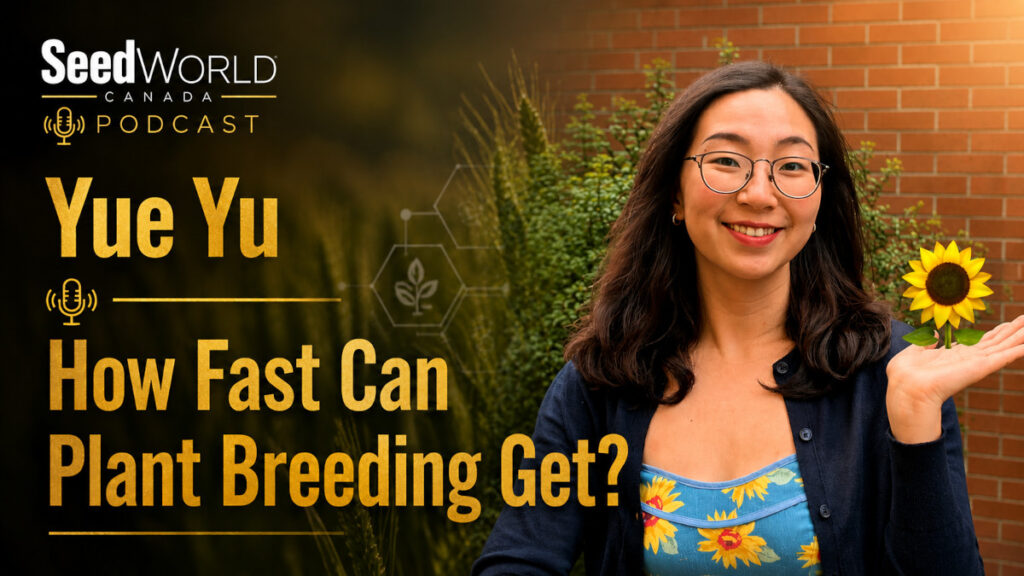
Genomic prediction can help identify promising plants before breeders spend years evaluating them. But there’s a catch: breeding faster doesn’t mean farmers get it faster
AI and Sales: Why Garbage in Still Means Garbage Out

AI and sales can create real opportunity, but only when organizations have reliable CRM data, clear sales processes and strong human expertise. Shawn Brook argues that AI will not fix weak systems. It will amplify whatever foundation already exists.
AI and Sales: Why Garbage in Still Means Garbage Out

AI and sales can create real opportunity, but only when organizations have reliable CRM data, clear sales processes and strong human expertise. Shawn Brook argues that AI will not fix weak systems. It will amplify whatever foundation already exists.
AI and Sales: Why Garbage in Still Means Garbage Out

AI and sales can create real opportunity, but only when organizations have reliable CRM data, clear sales processes and strong human expertise. Shawn Brook argues that AI will not fix weak systems. It will amplify whatever foundation already exists.
Tomatoes Have a ‘Golden Hour’. Could Breeders Use It?
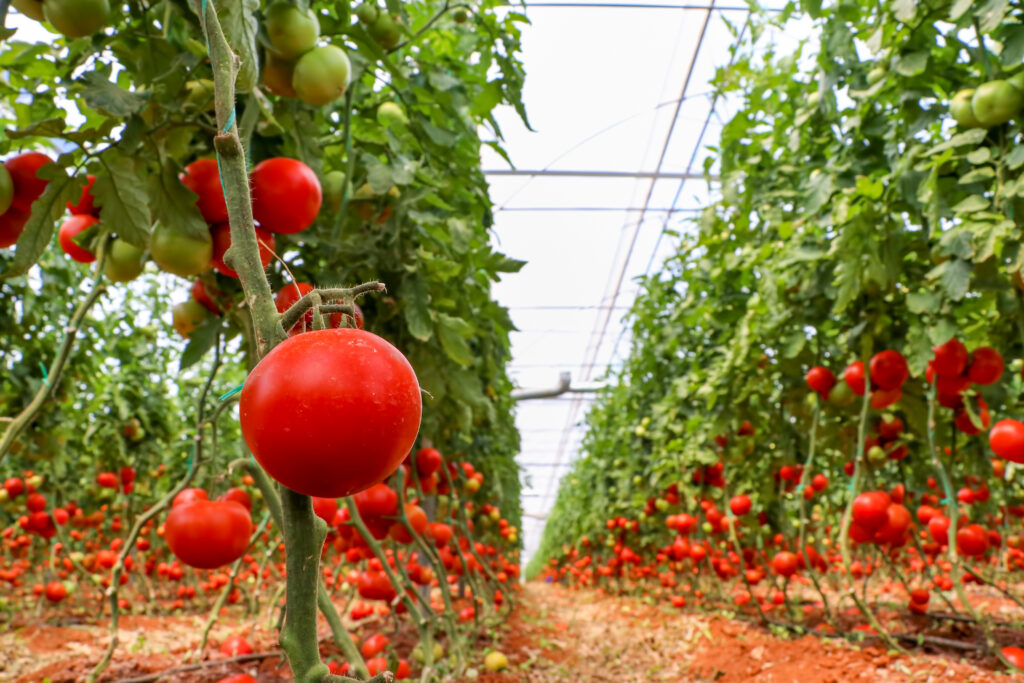
New research from the Hebrew University of Jerusalem suggests that an early-morning “golden hour” in stomatal activity could help breeders identify drought resilient tomatoes that combine strong yields, recovery after drought and improved water-use efficiency.