
From Students To Scientists | On The Brink: Season 2 – Episode 14
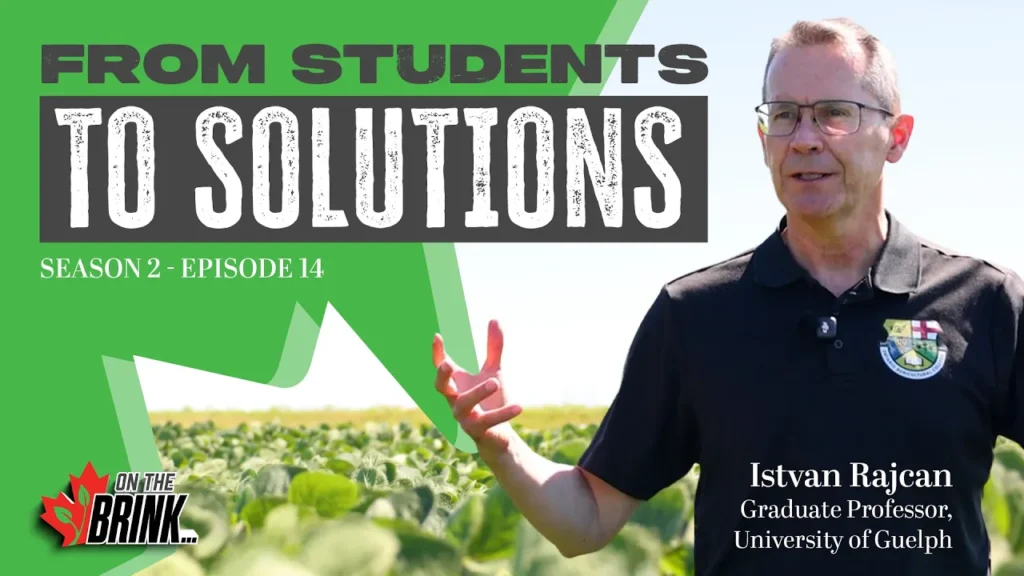
Ask Canada’s most decorated soybean breeder his favourite part of the job and he doesn’t name a variety. He names the students. Istvan Rajcan on the funding formula worth protecting.
The Hard Economics of Climate-Friendly Grains
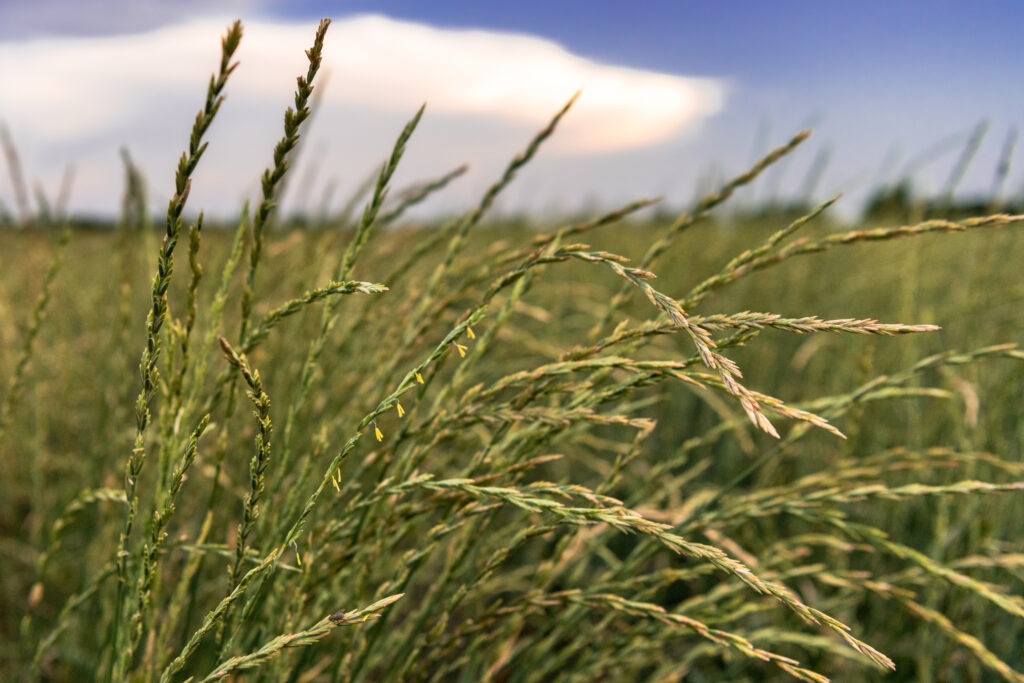
Consumers may pay more for climate-friendly bread, but Kernza and other perennial grains still face hurdles in breeding, yield, taste and supply chains.
Flax Could Hold an Answer to Farming’s Fertilizer Problem
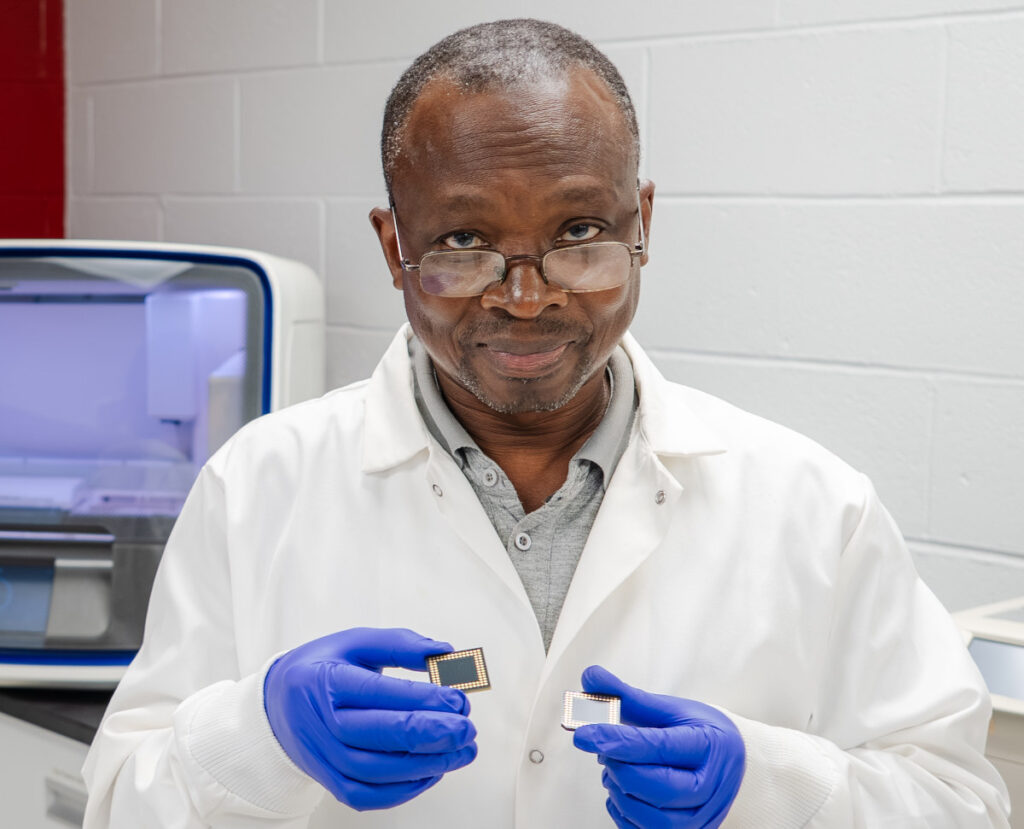
The discovery could eventually help breeders create crops that need less fertilizer and cost farmers less to grow
RF3 Canola Quality B. juncea Deemed Safe by EFSA
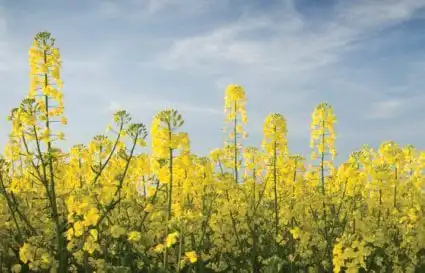
EFSA’s GMO Panel concluded that RF3 Canola Quality B. juncea is as safe and nutritionally equivalent as conventional counterparts. BASF’s application seeks EU authorization for food, feed, import and processing uses, but not cultivation.
The Future Belongs to Predictive Breeding

Predictive breeding is changing how breeders design crosses, prioritize evaluations and make decisions. Enid Perez-Lara of Agronomix Software explains why artificial intelligence rewards organizations that build strong data foundations, not simply those that buy the newest tools.
Breeding 4.0: Por qué la ia no premia al que compra la herramienta, sino al que construye la base
Breeding 4.0 está transformando el mejoramiento vegetal al integrar inteligencia artificial, selección genómica y datos ambientales. El artículo explica por qué el verdadero valor no está en comprar herramientas nuevas, sino en construir una base sólida para tomar mejores decisiones.
The Way I See It… There’s More Seed in the Farm Bill Than You Think

The latest Farm Bill fight is about much more than SNAP. For the seed industry, research, innovation, technology and the next generation of crops are also waiting on Congress.
How One Seed Plant Upgrade Improved Flax Cleaning — and Much More
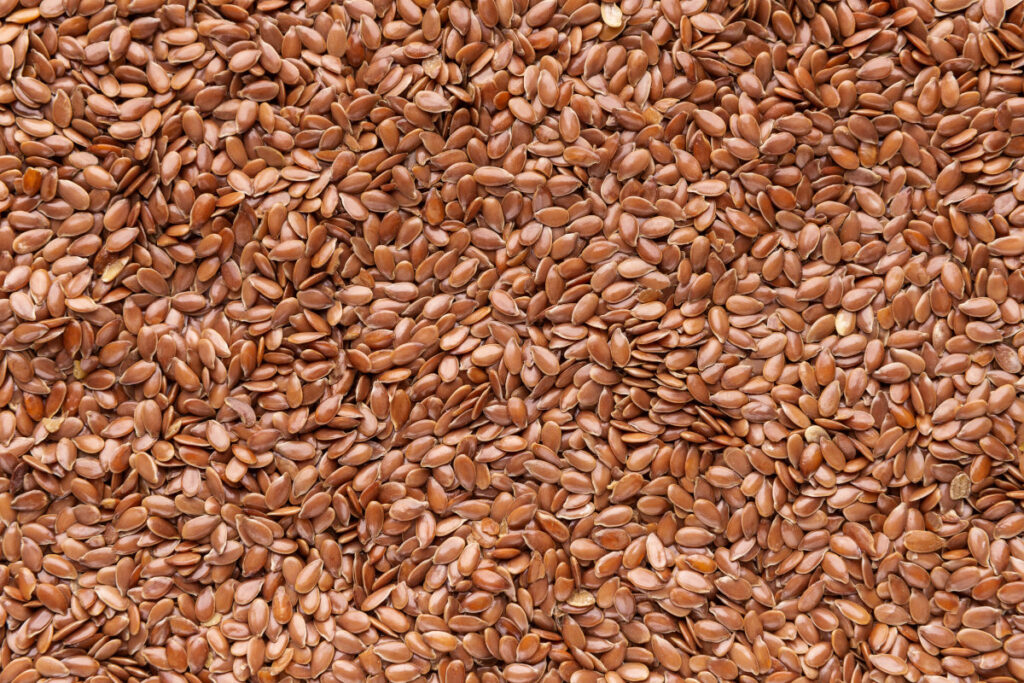
A Saskatchewan operation upgraded its seed and grain cleaner to boost flax throughput, but the added flexibility is now improving efficiency across multiple crops
Why CSGA’s New President Says Now is the Time to Get Involved

Shannon Bieman says a rapidly changing Canadian seed sector presents a big opportunity
Seed Sector 2045: Cover Crops Offer Regenerative Opportunity for Seed
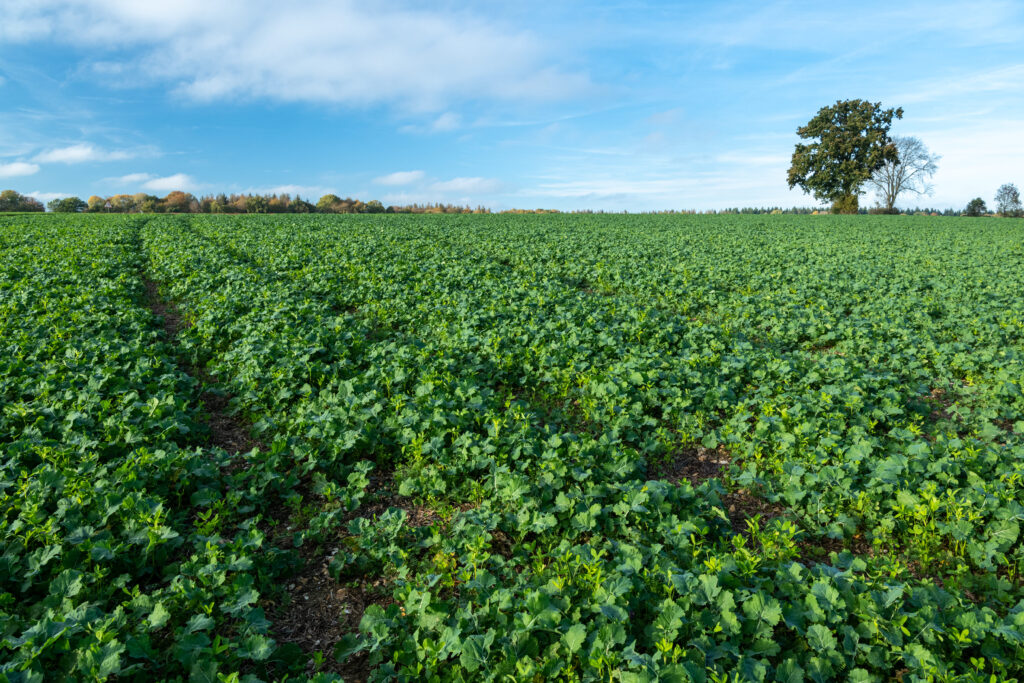
Cover crops are emerging as a practical link between regenerative agriculture and the seed sector. As farmers focus more on soil health, rotations and input efficiency, seed companies may find new opportunities in locally adapted genetics, mixtures and agronomic support.
Tomato Gene Could Help Boost Yields

Researchers identified a tomato gene that helps plants respond to shade, regulate photosynthesis and maintain fruit production under high-density growing conditions. The SlBBX20 gene could give breeders a molecular target for developing more efficient, higher-yielding tomato varieties.
The Varieties Fade; The Impact Doesn’t
NAPB award recipient Istvan Rajcan explains why farmer adoption, research freedom and training future scientists define plant breeding impact.
Xylella Research Advances Disease Control
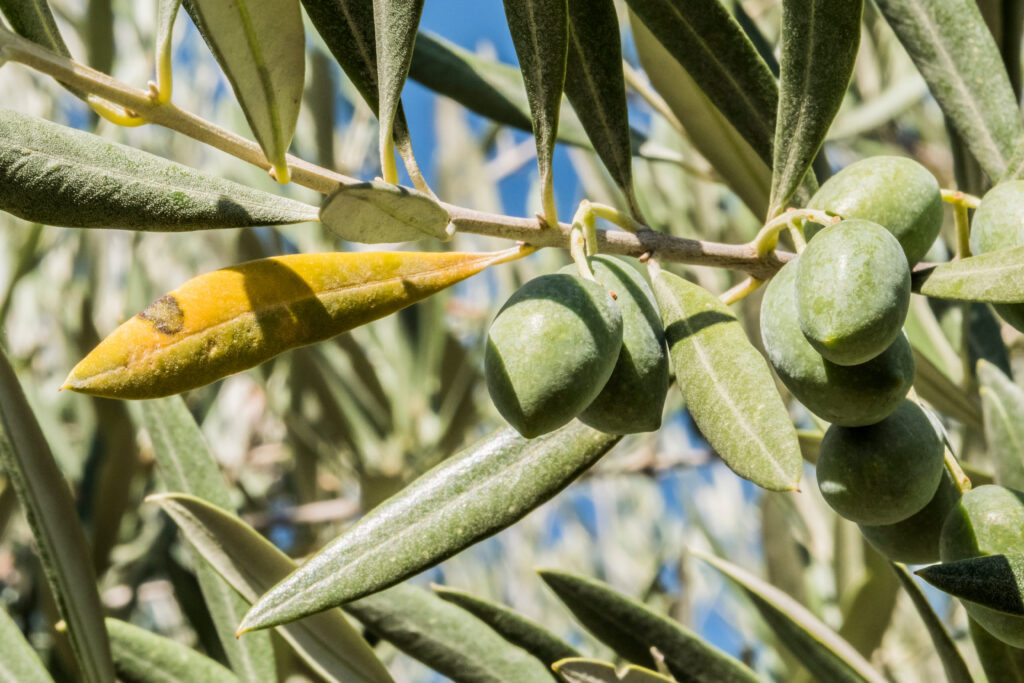
Research on Xylella fastidiosa is advancing resistant olive cultivars, biological control, insect vector management and surveillance. Findings presented in Italy could support improved disease management and olive production recovery in affected regions.
Gen del tomate podría impulsar el rendimiento

Investigadores del CONICET identificaron un gen del tomate que ayuda a las plantas a responder a la sombra, regular la fotosíntesis y mantener la producción de frutos. El hallazgo podría apoyar el desarrollo de variedades comerciales más eficientes y productivas.
Why Plant Breeding, Leadership and Seed Policy Matter Together

Innovation isn’t simply the product of discovery. It’s the product of relationships
Making The Case For VUA | On The Brink: Season 2 – Episode 13
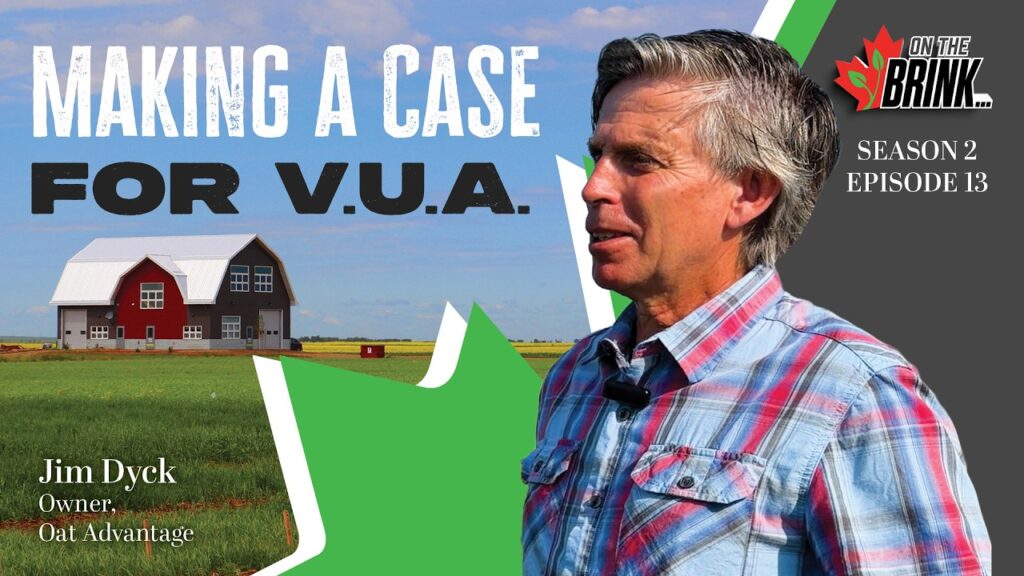
Jim Dyck is one of a handful of private oat breeders in Western Canada. A variety takes 10 to 15 years. His answer is $2 an acre on farm-saved seed.
Global Soil Degradation Is Cutting Crop Yields
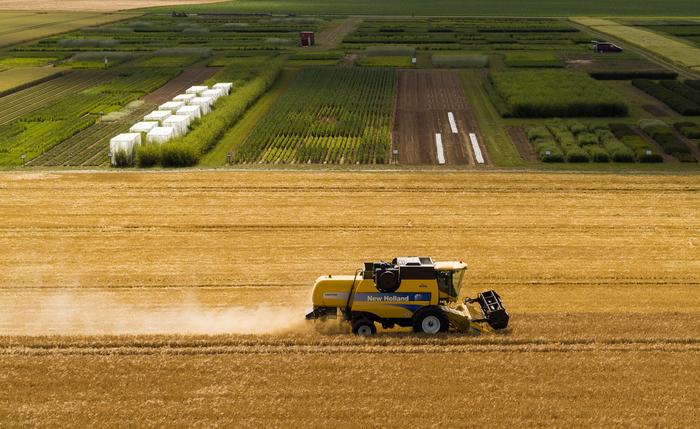
University of Bonn researchers found that soil degradation is significantly reducing crop yields worldwide. Reversing human-caused degradation could increase production enough to feed approximately 70 million more people.
Limagrain Licenses Genome-Editing Technologies From Qi Biodesign

Limagrain has licensed genome-editing technologies from Qi Biodesign for use in field and vegetable crop breeding programs.
New Gene Insertion Method Could Support Crop Traits
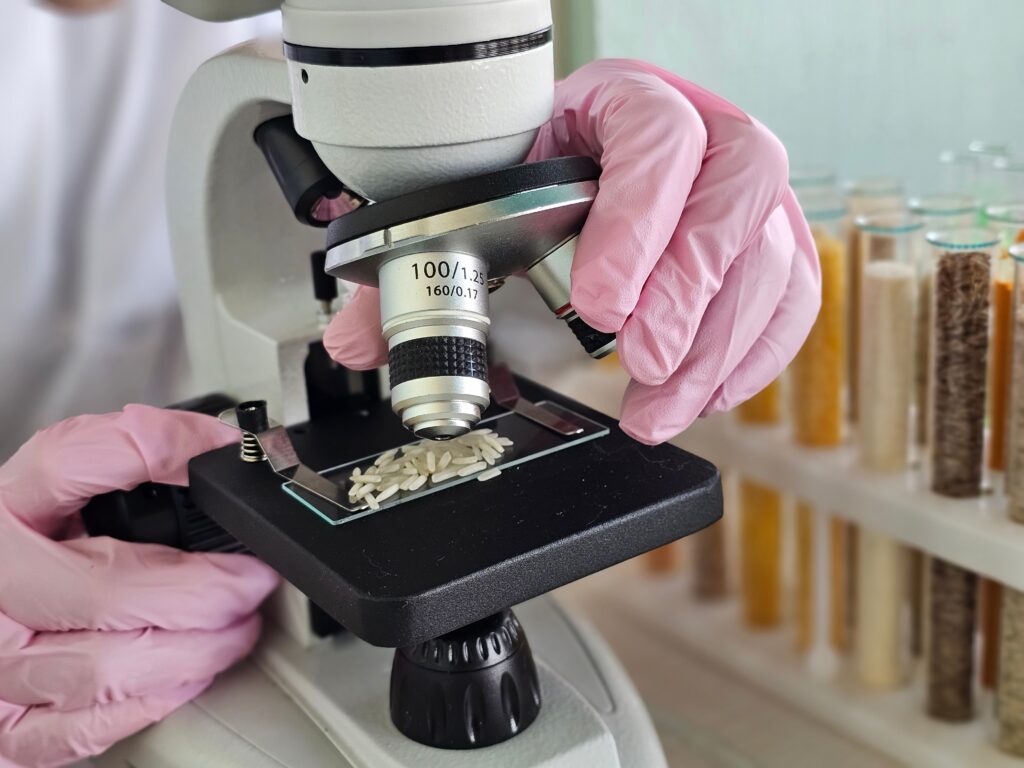
KAUST researchers have developed a gene insertion method that precisely adds large genetic sequences into plant genomes without first breaking DNA. The technique, demonstrated in rice and tobacco, could support more complex crop traits and plant-based biomanufacturing.
Wheat Genotyping Platform Advances at Embrapa

A new wheat genotyping platform at Embrapa Wheat in Brazil is expanding researchers’ capacity to analyze DNA and support improved cultivar development. The automated system could speed marker identification for yield, disease resistance and other agronomic traits.
No Agenda, Just Listening: Glenn Logan Reflects on Leading the Canadian Seed Growers’ Association

As Glenn Logan looks back on his time as president of the CSGA, he isn’t measuring success by a list of accomplishments or a single initiative
Scientists Find the Switch That Tells Plants They Have Enough Nitrogen
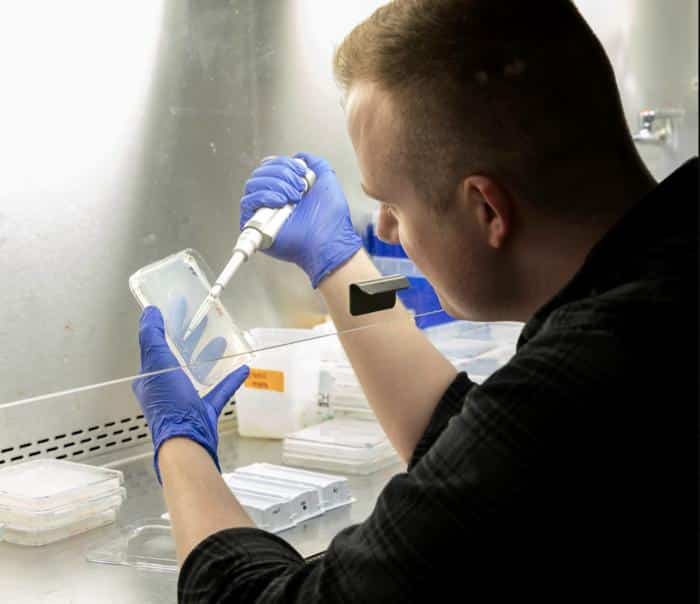
Researchers identified a genetic stop signal that limits nitrogen uptake, opening a possible path toward crops that use fertilizer more efficiently. Plants know when they have absorbed enough nitrogen. Scientists […]
Climate Change Threatens Crop Nutrition
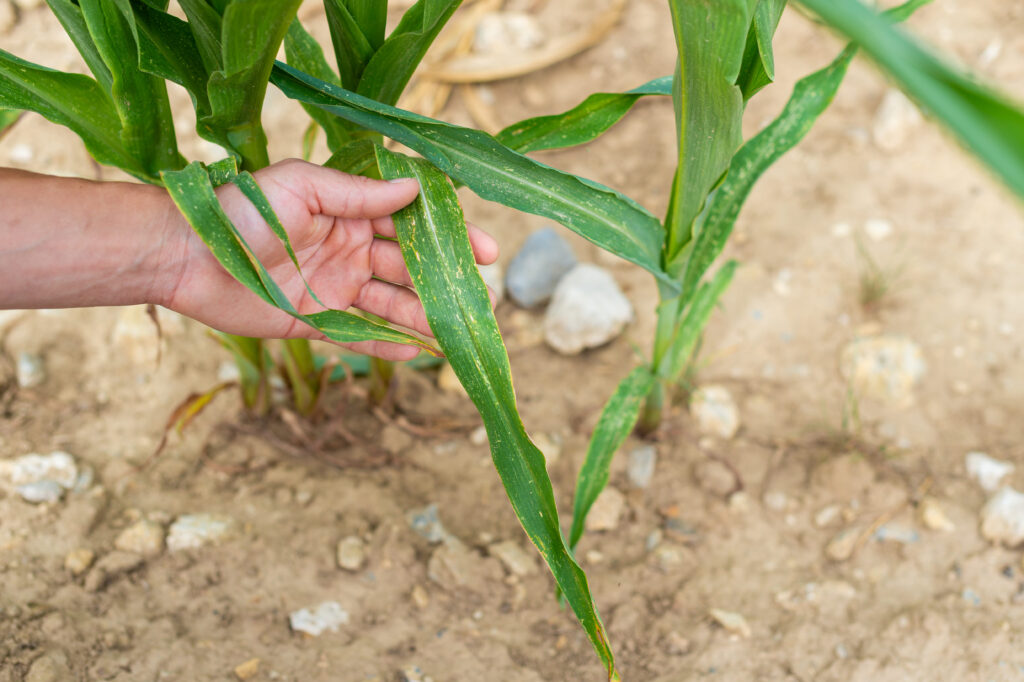
Climate change is reducing the nutritional value of major food crops, creating new challenges for food security. A Nature review examines how plant breeding, genome editing and other technologies could improve crop nutrition while strengthening climate resilience.
Genotipado del trigo avanza en Embrapa

Una nueva plataforma de genotipado del trigo en Embrapa Trigo automatiza la preparación de muestras de ADN y amplía la capacidad de análisis molecular. La tecnología podría acelerar la selección de marcadores asociados con rendimiento, resistencia a enfermedades y otros rasgos agronómicos.
Reflecting on a Lifetime in Wheat Breeding

As Cornell plant breeder Mark Sorrells prepares to retire, he reflects on the students, collaborations and scientific advances that shaped his career.
The Seed Sector Doesn’t Need More Ideas. It Needs Fewer Friction Points
Sometimes the biggest innovation is simply making the system less complicated
The Weight of Trust in Seed Testing
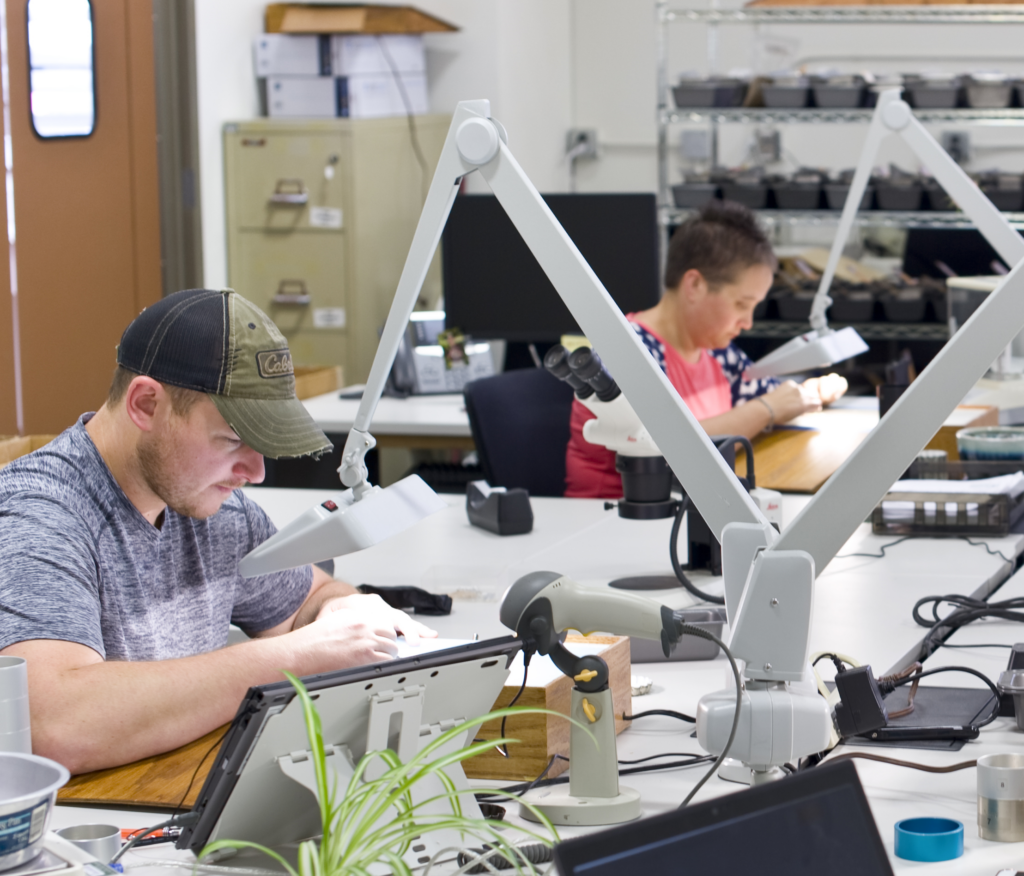
Seed testing is more than laboratory equipment and reports. Heidi Larson of SGS Crop Science reflects on how experience, accuracy and customer trust help protect every seed sample’s value.
UK Approves First Precision-Bred Potato for Market
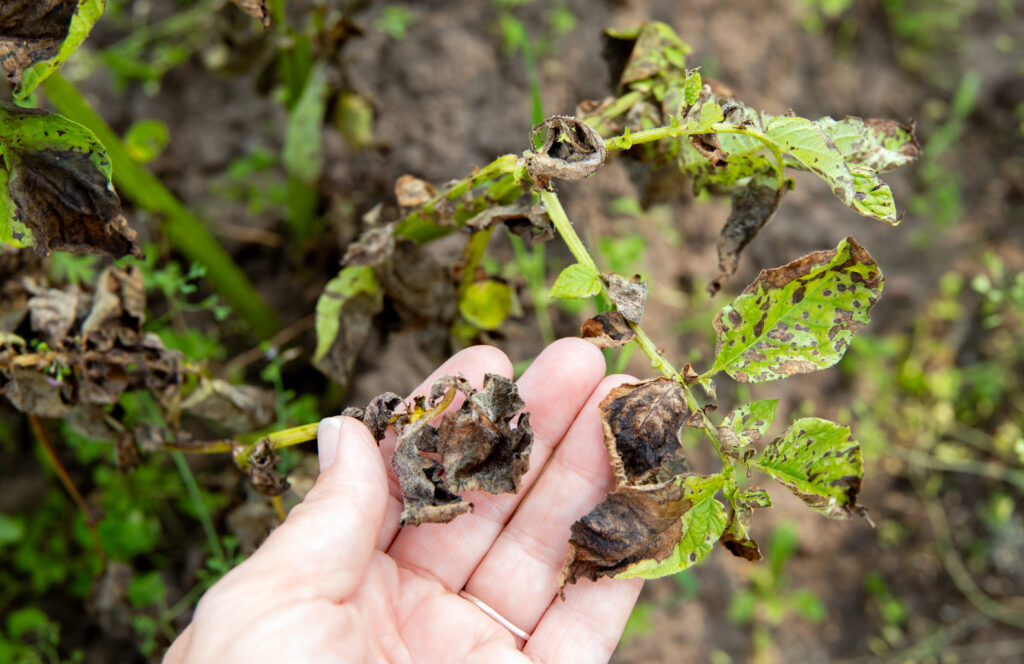
The UK has approved its first precision-bred potato, moving PiperPlus closer to market. The disease-resistant Maris Piper was developed to combat late blight, Potato Virus Y and Potato Leafroll Virus while reducing reliance on fungicides and insecticides.
Commission Excludes Soybean Seeds from EUDR
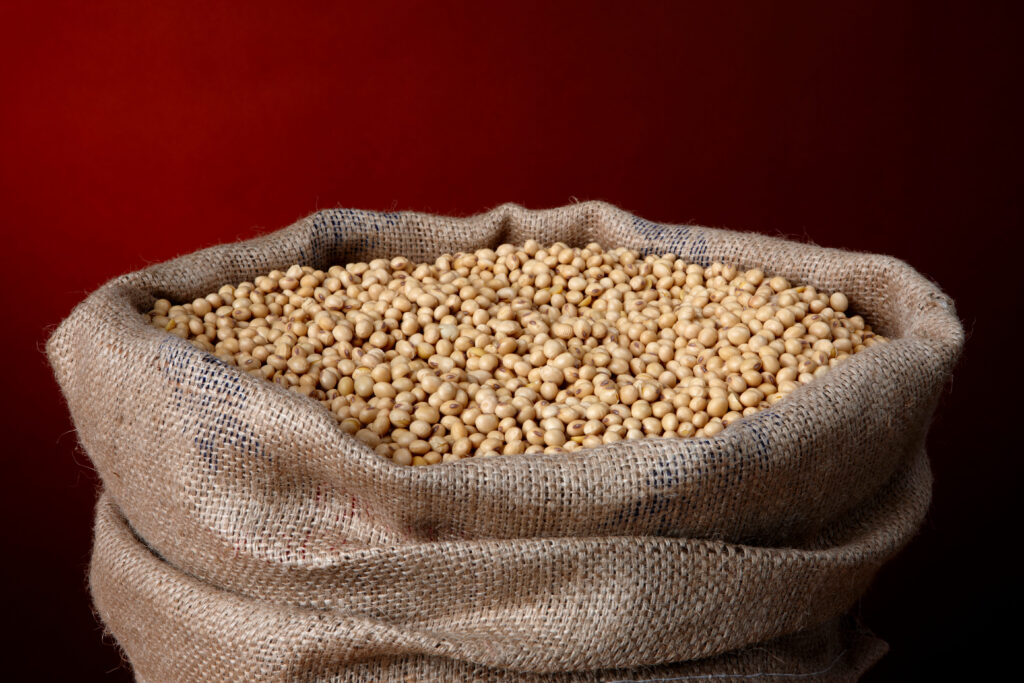
The European Commission has removed soybean seeds EUDR coverage after recognising that seeds for sowing move through a separate, highly controlled value chain with negligible trade volumes and distinct certification, testing and traceability systems.
Simplifying Seed Treatment: New All-in-One Premix Relieves Retailers’ Headaches
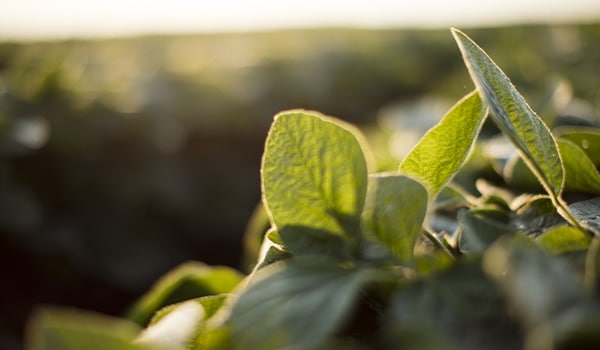
Lumisena Prime fungicide seed treatment from Corteva Agriscience gives seed retailers and dealers an all-in-one premix designed to simplify treating operations, improve application consistency and help growers protect soybean seed investments.
Simplifying Seed Treatment: New All-in-One Premix Relieves Retailers’ Headaches
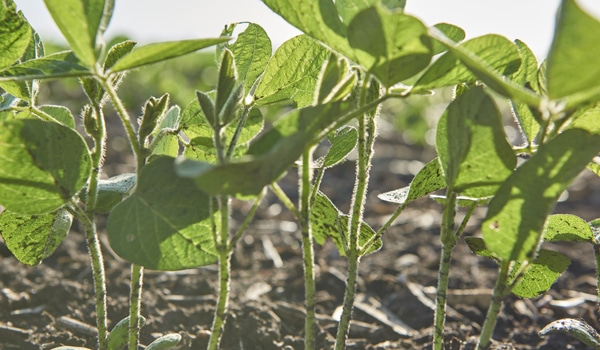
For independent seed companies and ag retailers, the seed-treating window is one of the most demanding times of the year. Balancing operational efficiency, precise chemical mixing, and logistics can create […]
For 25 Years, You’ve Built Trust; the National Seed Health System Helps You Keep It

The National Seed Health System celebrates 25 years of helping U.S. seed companies, laboratories, researchers and regulators protect seed health, support exports and maintain global confidence in American seed.
The Goal Isn’t Better Public Breeding. It’s Better Breeding | On The Brink: Season 2 – Episode 12
![Dr. Francois Eudes, director of research, development and technology at Agriculture and Agri-Food Canada, [seated in interview setting / speaking to camera], discussing AAFC research cuts and plant breeding.](https://seedworld.com/cdn/wp-content/uploads/20260728122022/maxresdefault-25-2-1024x576.webp)
Roughly 80 per cent of Canadian wheat acres carry AAFC genetics, and AAFC is absorbing a 15 per cent budget cut. François Eudes’ answer is not a bigger public breeding program. It is a public sector that concentrates upstream and hands the germplasm out.
Austria Builds Research Station for Climate-Resilient Crops
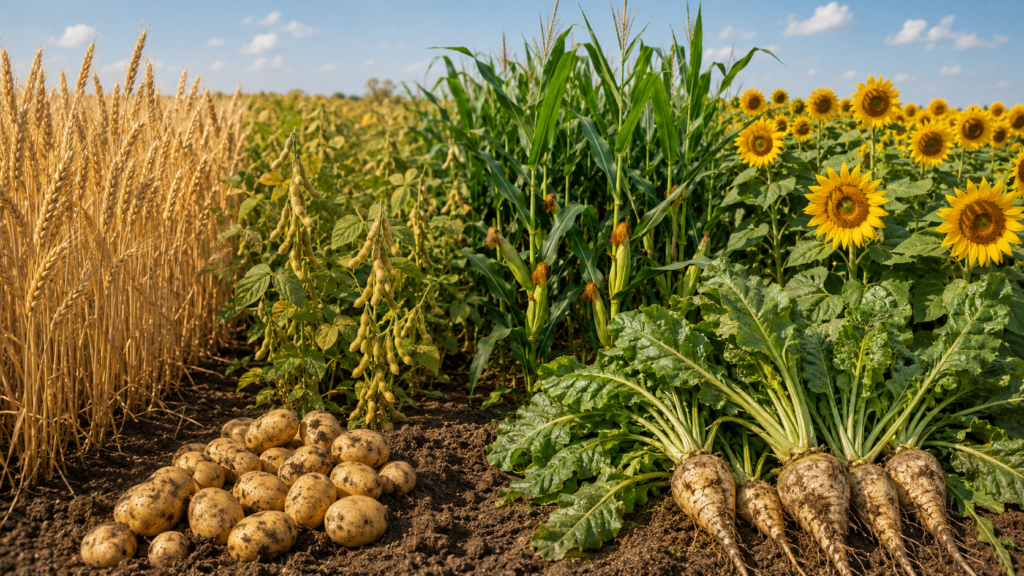
Austria has begun construction of a new AGES research station in Großnondorf to evaluate climate-resilient crops under dry conditions. The site will support variety testing, drought stress research and climate-adapted plant breeding.
Brazil Issues Crop Guidance as El Niño Risks Rise
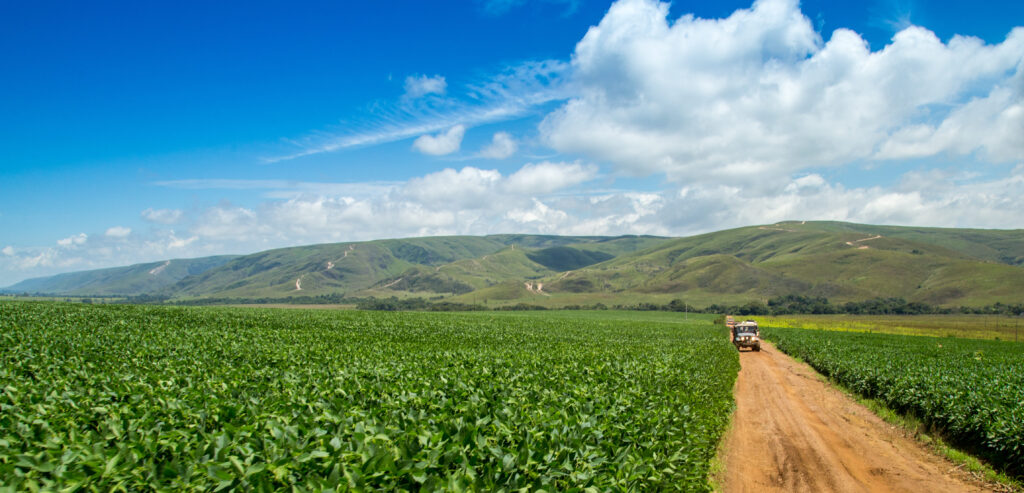
Embrapa researchers are urging farmers to prepare for El Niño in Brazil with measures to reduce risks from heavy rainfall, crop diseases, soil erosion and livestock impacts. The guidance covers grain, fruit, forage, forestry and livestock systems.
USDA Turns to AI to Unlock Germplasm Data

USDA is launching an AI challenge to help researchers turn germplasm data into faster plant breeding discoveries.